
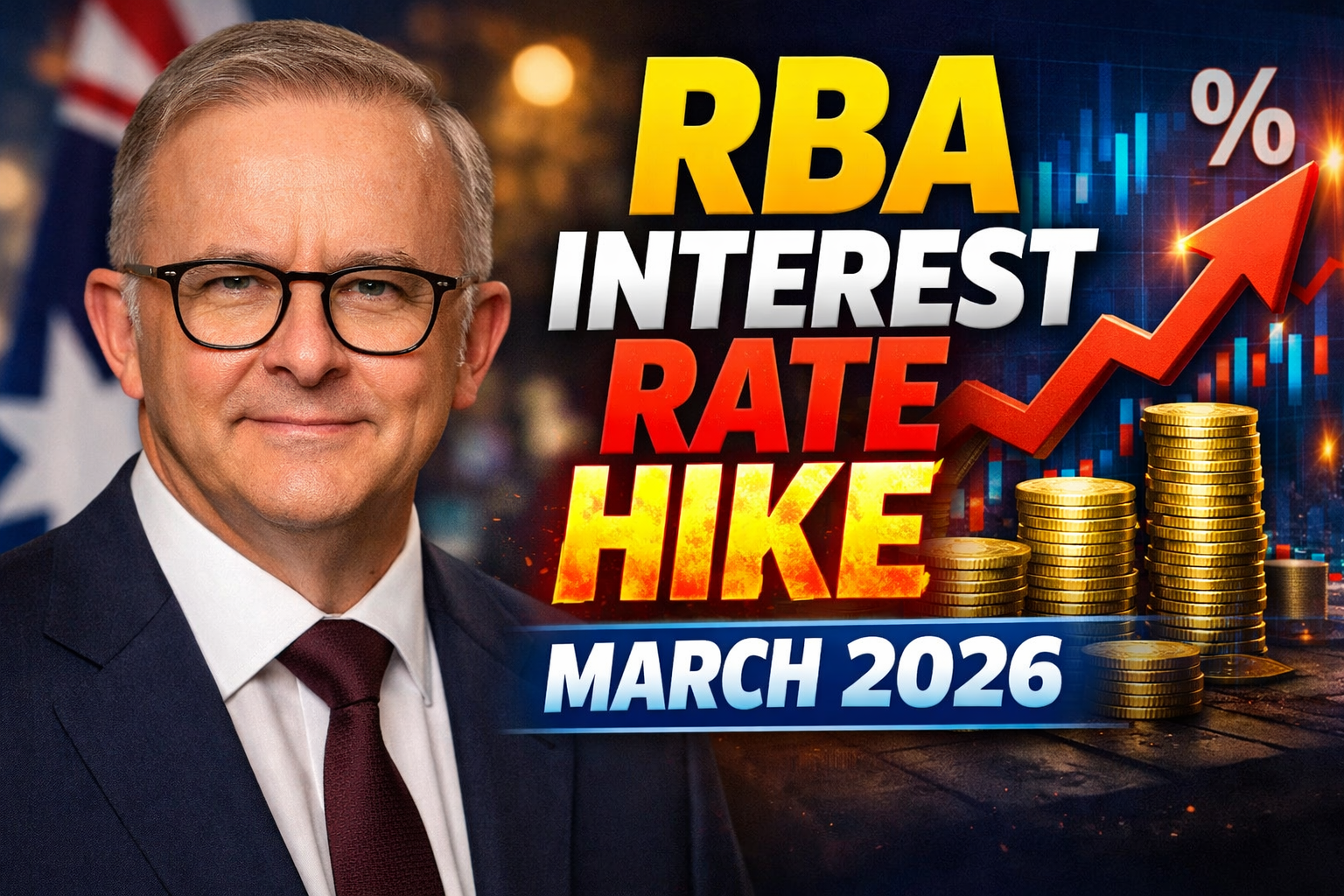
The Reserve Bank of Australia surprised markets by holding the cash rate steady at 4.1 percent in its March meeting, defying pre-decision forecasts of another hike. Governor Michele Bullock emphasized persistent inflation risks, urging vigilance amid global energy shocks and sticky domestic prices.
RBA Decision Breakdown
The Monetary Policy Board met on March 18, opting unanimously to maintain the target at 4.1 percent after consecutive 0.25 percentage point increases in February and earlier. This pause allows assessment of prior tightening’s impact on the economy.
Bullock’s post-meeting statement highlighted data-dependent future moves, noting every meeting remains live. Inflation’s path above the 2-3 percent band drove caution, balancing growth slowdown risks.
Economic Backdrop
Australia’s economy shows resilience with private demand exceeding expectations. Global resilience post-tariff issues and supportive financial conditions bolster growth. Supply constraints persist, keeping inflationary pressures elevated.
Recent ABS data reveals headline CPI steady at 3.8 percent through January, but trimmed mean rose to 3.4 percent. Electricity rebate unwinds boost headline figures temporarily, yet underlying trends worry policymakers.
Inflation Pressures Analyzed
Domestic Drivers
Services inflation remains sticky, fueled by housing costs and wage growth at 3.4 percent annually. Trimmed mean exceeds target, signaling broad price persistence.
Housing and energy lifted January figures, with rents and utilities prominent. Bullock noted these non-tradable costs anchor inflation higher.
Global Influences
Middle East tensions spike oil, gas, and petrol prices, posing supply shocks. Bullock warned these could unanchor expectations if unchecked.
Geopolitical risks amplify imported inflation, complicating the RBA’s balancing act.
Labour Market Resilience
Unemployment holds at 4.1 percent, with participation steady at 66.7 percent. Full-time employment surged by over 50,000 in January, reaching 10.2 million.
Hours worked hit 2 billion monthly, supporting consumption. Wage pressures align near inflation, risking a cycle without cooling.
| Indicator | January 2026 Value | Change from December |
|---|---|---|
| Unemployment Rate | 4.1% | Unchanged |
| Participation Rate | 66.7% | Unchanged |
| Full-Time Employment | 10,155,500 | +50,500 |
| Underemployment Rate | 5.9% | +0.2 pts |
This tightness justifies restrictive policy.
Cash Rate History Recent Moves
| Effective Date | Change (pts) | Cash Rate |
|---|---|---|
| March 18, 2026 | Hold | 4.10% |
| February 4, 2026 | +0.25 | 3.85% |
| December 10, 2025 | Hold | 3.60% |
| August 13, 2025 | -0.25 | 3.60% |
From 2025 cuts to 2026 hikes, policy reversed amid reaccelerating prices.
Michele Bullock’s Key Warnings
In speeches and Q&A, Bullock stressed anchored long-term expectations but risks from short-term spikes. “Patient approach has limits,” she said, eyeing energy shocks.
Dual mandate weighs employment, yet inflation priority clear. Board monitors data closely, ready to act if expectations shift.
Bank and Market Reactions
Major banks swiftly passed on prior hikes, with NAB leading variable rate adjustments effective late March. Borrowers face higher repayments, savers enjoy better yields.
Bond yields rose post-comments, equities dipped mildly. Aussie dollar strengthened on hawkish tone.
Impacts on Households
Borrowers
Monthly repayments rise on variable loans. A typical 400,000 dollar mortgage sees 100-120 dollar monthly increase per 0.25 point hike.
Refinancing options emerge, though competition tightens.
Savers
Term deposits yield up to 4.5 percent, attracting funds.
| Loan Type | Pre-Hike Rate | Post-February Rate |
|---|---|---|
| Variable Home Loan | 6.2% | 6.45% |
| Fixed 2-Year | 5.8% | 6.0% |
Broader Economic Implications
Tightening curbs demand, easing capacity pressures. Growth forecasts temper to 1.8 percent for 2026, unemployment edging to 4.3 percent by year-end.
Housing market cools, with approvals down but prices resilient in key cities. Business investment holds amid uncertainty.
Global Context Comparison
| Central Bank | Latest Rate | Stance |
|---|---|---|
| RBA | 4.10% | Restrictive, data-dependent |
| Fed | 4.75-5.00% | Paused hikes |
| ECB | 3.25% | Easing signals |
| BoE | 4.75% | Holding |
Australia’s path aligns with peers facing similar inflation.
Future Outlook Scenarios
Bullock signaled May as potential next move if data sticky. Forecasts vary: NAB eyes 4.35 percent peak, cuts late 2027.
Downside risks include recession if over-tightened; upside from unchecked inflation.
| Scenario | Probability | Peak Rate |
|---|---|---|
| Further Hike | 60% | 4.35% |
| Hold Steady | 30% | 4.10% |
| Cut | 10% | 3.85% |
Policy Tools Beyond Rates
RBA explores macroprudential tweaks, yield curve control if needed. Communication anchors expectations effectively.
Expert Views and Advice
Economists praise measured approach, avoiding knee-jerk reactions. Households advised budgeting buffers, fixed-rate locks.
Businesses eye cost controls amid wage pressures.
Long-Term Inflation Strategy
Target return demands sustained restrictiveness. Bullock emphasizes avoiding 1970s repeats through proactive stance.
Success hinges on supply enhancements, productivity gains.
This decision underscores RBA’s commitment to stability, navigating complex dynamics with prudence.

Vineeth T.C. is a news writer and digital content contributor at PageEuropean, covering key developments across New Zealand and Australia. His work focuses on delivering clear, fact-based reporting on current affairs, public policy, business updates, and regional news that matter to readers.