
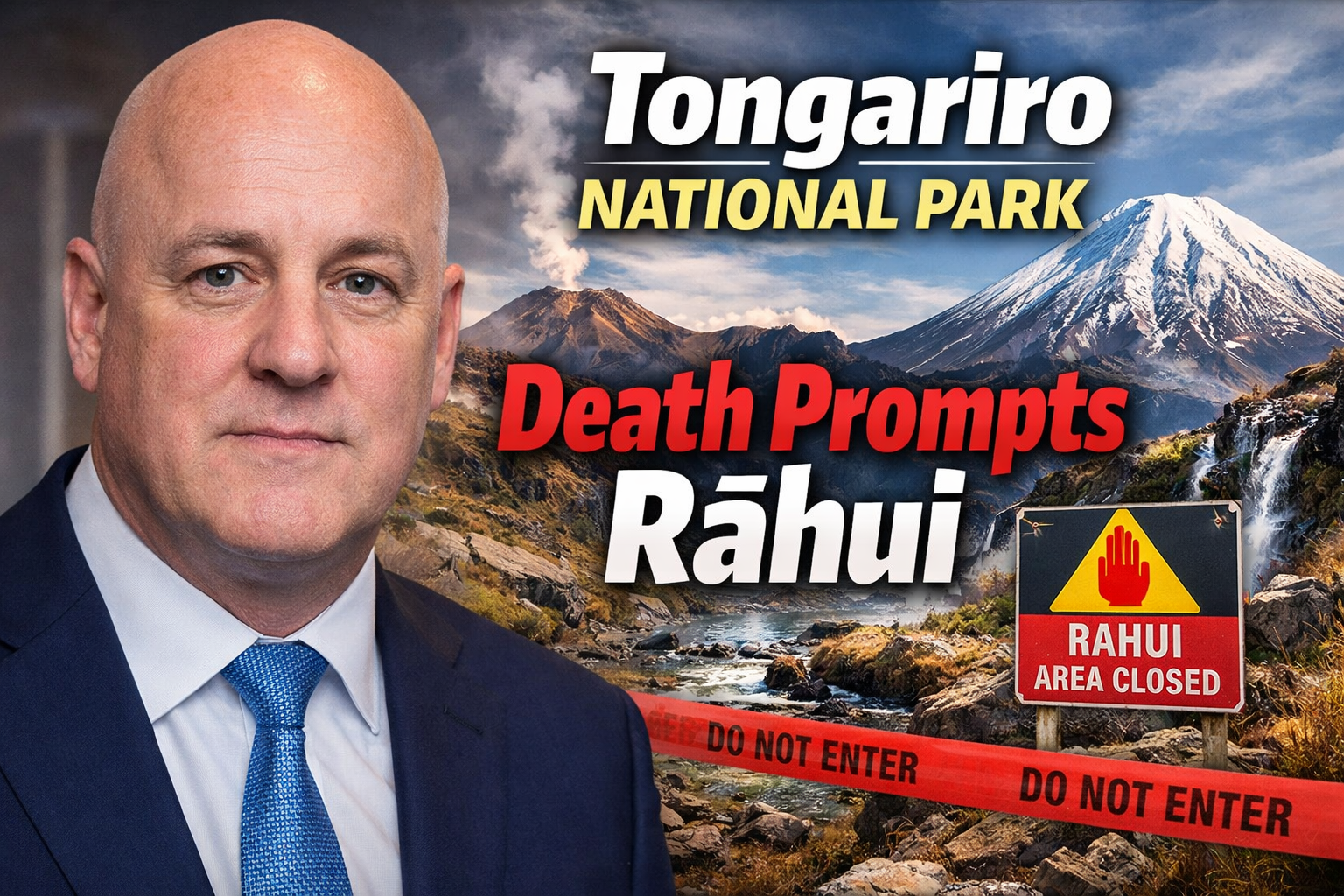
A tragic death on the Taranaki Falls Track in Tongariro National Park has led local hapū Ngāti Hikairo ki Tongariro to impose a rāhui, closing key trails until early Tuesday morning as a mark of respect and spiritual restoration. The man became unresponsive during a walk, passing despite immediate aid from companions and a passerby, prompting this traditional Māori restriction on the affected area. This incident underscores the profound cultural significance of rāhui in Aotearoa New Zealand, blending tikanga Māori with modern park management.
The Incident in Tongariro National Park
Tongariro National Park, a UNESCO Dual World Heritage site revered for its volcanic landscapes and cultural mauri, saw the heartbreaking event unfold on Friday along the popular Taranaki Falls Track. Police confirmed the death as non-suspicious, referring it to the coroner while praising the quick response from those present. The track, known for its accessible waterfalls and alpine views, draws thousands of hikers annually, making such closures a significant disruption during peak summer season.
Ngāti Hikairo ki Tongariro swiftly enacted the rāhui, extending it to the Tama Lakes tracks and portions of the Tongariro Northern Circuit between Whakapapa Village and Waihohonu Hut. This measure, lasting until 6am on Tuesday, December 30, aims to honor the loss and allow the whenua to settle spiritually. The Department of Conservation and guiding operators have been notified, urging all visitors to respect signage and choose alternative routes like those around Lake Rotopounamu.
The hapū’s statement expressed deep aroha to the whānau, recognizing the passing’s impact within their rohe. Such events highlight the park’s dual role as a global tourism draw and a sacred ancestral domain, where human activity intersects with tapu.
What is a Rāhui?
Rāhui represents a cornerstone of Māori tikanga, functioning as a temporary prohibition or restriction on specific areas, resources, or activities to protect their mauri or life force. Pronounced “rah-hoo-ee,” it derives from ancient customs where iwi or hapū leaders invoke spiritual authority to safeguard the environment, community wellbeing, or sites of tragedy. Unlike a permanent ban, rāhui lifts once its purpose—restoration, mourning, or safety—is fulfilled, often marked by a lifting ceremony or karakia.
Historically, rāhui regulated fishing grounds after overharvest, barred access to battle sites post-conflict, or halted gatherings during tapu periods. In contemporary Aotearoa, it addresses ecological damage, like the recent fires in Tongariro that prompted a decade-long restorative rāhui, or human incidents as seen here. The practice embodies kaitiakitanga, the duty of guardianship, ensuring balance between people and nature.
Types of rāhui vary: rahui tapu for spiritual matters like deaths, rahui rango for resource management, and restorative versions for healing land. Enforcement relies on community consensus and signage, with legal backing under the Resource Management Act recognizing Māori customary rights.
Core Elements of Rāhui
| Type | Purpose | Duration Example | Common Triggers |
|---|---|---|---|
| Rāhui Tapu | Spiritual protection post-death | Days to weeks | Tragedies, funerals |
| Rāhui Rango | Resource conservation | Seasonal or indefinite | Overfishing, hunting |
| Restorative | Environmental recovery | Years (e.g., 10-year) | Fires, pollution |
This table illustrates rāhui’s adaptability across contexts.
Cultural Significance in Māori Tradition
At its heart, rāhui safeguards mauri, the intrinsic life essence connecting people, land, and ancestors. For Ngāti Hikairo ki Tongariro, custodians of Tongariro’s southern flanks, the park embodies whakapapa—genealogical ties to Ngātoroirangi, the tohunga who gifted the mountains. Imposing a rāhui after a death restores tapu, countering the spiritual disturbance of wairua leaving the body.
Tikanga protocols demand respect: entering restricted zones risks utu, a reciprocal consequence, from illness to misfortune. Ceremonies precede and follow, with tohunga or kaumatua performing karakia to invoke protection. This practice fosters community cohesion, reminding outsiders of Māori worldview where nature holds agency. In Tongariro, frequent rāhui—from fire recoveries to crossings deaths—reinforce iwi authority amid rising visitor numbers exceeding 120,000 annually on popular tracks.
Broader implications extend to national policy, with rāhui integrated into conservation strategies. It challenges Western individualism, promoting collective restraint for long-term harmony.
Protocols During a Rāhui
Observing rāhui demands humility and awareness. Visitors must heed signage, verbal warnings from rangers, or DOC updates, avoiding restricted zones entirely—no shortcuts or photos. If caught unaware, apologize sincerely, retreat immediately, and share the news to prevent others’ breaches. Guiding companies reroute tours, emphasizing education on tikanga.
For Māori, personal protocols include avoiding the area unless whakapapa-linked, and supporting whānau through aroha. Non-Māori allies amplify respect by sharing knowledge, reducing accidental violations. In this case, hikers on the Northern Circuit pivot to open southern trails, maintaining park enjoyment without imposition. Digital tools like the DOC app provide real-time alerts, bridging cultural practice with modern access.
Breaches, though rare, erode trust; past incidents on the Tongariro Alpine Crossing led to stronger enforcement post-fire rāhui.
Impact on Tongariro National Park Visitors
Tongariro attracts over 500,000 visitors yearly, with Taranaki Falls and Tama Lakes among top day hikes for their moderate challenge and stunning vistas. The rāhui disrupts holiday plans, especially pre-New Year’s, affecting shuttles from Whakapapa and guided groups. Operators like those for the famous Crossing adapt by promoting alternatives: Lower Taranaki Falls loops or Rotopounamu circuits remain open.
Economically, short-term closures pinch local businesses in National Park Village and Taupō, but long-term, they sustain the park’s allure by preserving its integrity. International tourists, many from Australia and Europe, gain cultural immersion, turning potential frustration into learning. DOC urges checking hut bookings and weather, as summer crowds amplify risks.
This rāhui echoes prior ones: a March closure after another death, or November’s fire response burning hundreds of hectares. Patterns show iwi-DOC collaboration minimizing downtime while honoring tikanga.
Historical Rāhui in Tongariro
Tongariro’s history brims with rāhui, reflecting its sacred status. Ngāti Tuwharetoa’s 1887 gifting of the mountains to the Crown came with enduring kaitiakitanga rights, codified in the park’s management plan. Past impositions followed eruptions, like 2012’s Te Maari craters activity barring Mangatepopo, or drownings prompting track-specific bans.
The recent fire saga exemplifies restorative rāhui: initial seven-day halts post-blaze, extended to ten years for weed prevention and mauri revival. Ngāti Hikairo spokesperson Te Ngaehe Wanikau stressed it’s not exclusion but invitation to heal collectively. These precedents educate on rāhui’s evolution from pre-colonial fisheries controls to co-governed conservation.
Broader Role in Modern New Zealand
Rāhui transcends Tongariro, influencing national life: Northland shellfish bans amid toxins, or Hauraki Gulf marine protections. Courts uphold them under Treaty principles, as in the 2019 Te Awa Tupua Act granting legal personhood to Whanganui River with rāhui powers. Climate change amplifies relevance, aiding recovery from cyclones or droughts.
Education integrates rāhui into schools and tourism, fostering bicultural competence. Challenges persist—overtourism strains enforcement—but successes like sustained fisheries prove efficacy. For Pākehā and tauiwi, it invites deeper engagement with Te Tiriti o Waitangi’s partnership ethos.
Respecting Rāhui: Practical Advice
Approach with mindfulness: research before hikes via DOC sites, carry maps, and discuss tikanga in briefings. Support iwi initiatives like restoration wānanga, volunteering post-lift. Share stories ethically, centering whānau privacy. In Tongariro, post-rāhui, join guided cultural walks to appreciate the whenua’s restored mauri.
This incident renews calls for hiker preparedness—fitness checks, group travel, emergency beacons—balancing adventure with reverence.
Future Outlook for Tongariro
As the rāhui lifts, expect enhanced signage and iwi-led briefings to prevent recurrences. Ongoing fire recovery under the long-term ban prioritizes native revegetation, inviting global participation. Tongariro endures as a living taonga, where rāhui ensures its mauri thrives for mokopuna. Visitors leave transformed, carrying tikanga forward.

Vineeth T.C. is a news writer and digital content contributor at PageEuropean, covering key developments across New Zealand and Australia. His work focuses on delivering clear, fact-based reporting on current affairs, public policy, business updates, and regional news that matter to readers.