
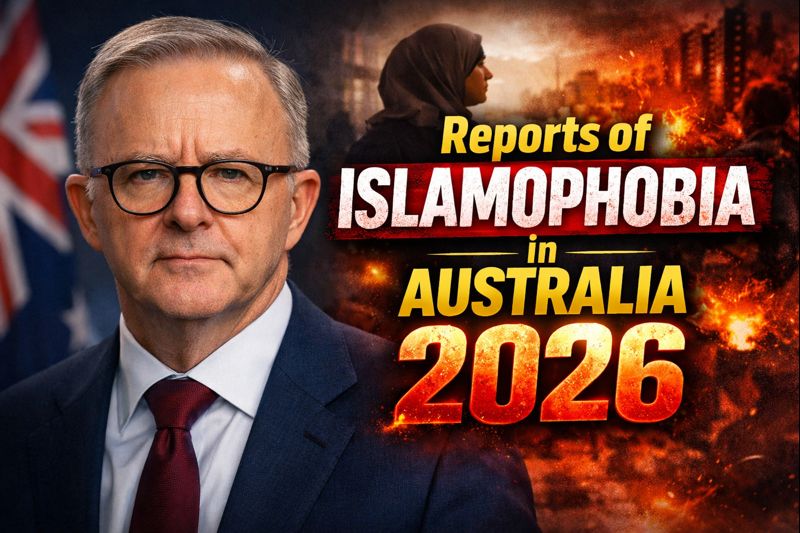
Australia grapples with a sharp rise in Islamophobia throughout 2026, marked by surging hate crimes against Muslims amid national tragedies and global tensions. Reports from community watchdogs and government envoys reveal unprecedented levels of verbal abuse, physical assaults, and vandalism targeting Muslim individuals and sites. Vulnerable groups, especially women in hijabs, bear the brunt, prompting urgent calls for systemic reforms.
Historical Context
Islamophobia in Australia traces back decades but intensified post-2014 with the rise of the Islamophobia Register Australia, which began cataloging incidents systematically. Early spikes correlated with global events like terrorist attacks claimed by extremists, fostering generalized fear and bias. By the early 2020s, annual reports documented hundreds of cases, often underreported due to distrust in authorities.
The landscape shifted dramatically after October 2023, when in-person hate incidents climbed 150 percent and online harassment surged 250 percent. Government-appointed envoys highlighted normalized anti-Muslim rhetoric in media and politics, eroding social cohesion. These trends set the stage for 2026’s explosive developments, where isolated prejudice evolved into widespread aggression.
Key Triggers in 2026
The Bondi Beach terror attack on December 14, 2025, by two individuals linked to Islamic extremism, ignited the year’s backlash. Killing 15 at a Hanukkah event, the incident fueled retaliatory hate, with Muslim leaders decrying swift associations of their entire faith with the perpetrators. Within a week, complaints skyrocketed tenfold, from one or two daily to 126 in seven days.
Vandalism erupted nationwide: pig heads hurled at a Narellan Muslim cemetery, Nazi graffiti on Brisbane mosques, and threats flooding Islamic schools in Melbourne. Women in Perth faced spitting and slurs, while Sydney mosques bolstered security amid break-ins. This backlash persisted into January 2026, overlapping with inquiries into the attack and broader societal fractures.
Global echoes amplified local tensions, including ongoing Middle East conflicts. Reports noted a quarter of incidents tied to pro-Palestinian expressions, blurring activism with prejudice. Prime Minister Albanese condemned the hate, vowing eradication, yet community fears of Christchurch-style reprisals lingered.
Latest Statistics Overview
Islamophobia Register Australia’s 2023-2024 report, released March 2025, captured 309 verified in-person incidents, more than double prior periods. Verbal harassment dominated at over 60 percent, followed by 9 percent physical assaults and written threats. Extrapolating trends into 2026, post-Bondi data suggests over 500 annual cases, with underreporting masking true scale.
The Australian National Imams Council (ANIC) logged a 200 percent surge in late 2025, extending into 2026 with hundreds of helpline calls. December alone saw 62 incidents versus November’s 19. Online platforms amplified reach, with 18,000 analyzed posts revealing dehumanizing tropes like equating Muslims with terrorists.
| Category | Percentage of Incidents | 2023-2024 Count | Post-Bondi Spike (Est.) |
|---|---|---|---|
| Verbal Abuse | 60-79% | 185+ | 200-300 |
| Physical Assault | 9-60% (women targeted) | 28 | 50+ |
| Vandalism/Graffiti | 10% | 31 | 100+ (mosques) |
| Online Harassment | 250% rise overall | Thousands | 10x weekly |
| Workplace Threats | 3x women’s rate | 50+ | Ongoing |
Women comprised 75 percent of victims, enduring hijab yanks, rape threats, and school knife warnings. New South Wales hosted nearly half, Victoria a quarter, Queensland 12 percent.
Regional Breakdown
New South Wales emerged as the epicenter, with Sydney’s diverse suburbs reporting mass vandalism and street assaults post-Bondi. Mosques in Lakemba and Auburn fortified doors after pig-head desecrations and arson attempts. Women avoided public transport, citing daily slurs.
Victoria saw Melbourne’s Islamic College graffitied with hate symbols, alongside cemetery profanations. Brisbane mosques donned Nazi tags, while Perth streets turned hostile for veiled pedestrians. Rural areas reported fewer but severe cases, like farm threats to Muslim families.
Urban hotspots correlated with media saturation, where 24-hour coverage linked Islam to violence. Rural isolation compounded vulnerability, deterring reports.
Victim Impacts
Muslim women and girls faced gendered terror: 79 percent verbal assaults, all spitting cases, 60 percent physical. A shopping mall punch fractured a mother’s nose before her five children, triggering family-wide trauma therapy. Schoolgirls endured hijab removals and murder vows, prompting absenteeism spikes.
Psychological tolls mounted—PTSD, anxiety, workforce exodus. One hotline caller described constant homebound fear; employers noted Muslim staff quits tripling. Children internalized stigma, shunning hijabs or sports. Community cohesion frayed, with imams sleeping in mosques for protection.
Economic ripples hit small businesses: halal shops vandalized, boycotted. Mental health services strained, lacking culturally attuned support.
Government and Community Responses
Prime Minister Albanese’s envoy, Aftab Malik, urged inquiries into policy biases and counterterrorism overreach. Recommendations spanned police training, media guidelines, bystander programs, and Islamophobia recognition as gender violence. NSW Premier Chris Minns decried the “horrifying rise,” pledging intolerance.
ANIC’s Action Against Islamophobia helpline fielded surging calls, coordinating mosque security. Greens Senator Mehreen Faruqi lobbied for anti-racism funding. Monash-Deakin researchers pushed mandatory school awareness.
Challenges persist: under-policing, media sensationalism, political denial. Envoys call for national hate crime registries encompassing all faiths.
Comparative Trends
| Year/Period | In-Person Incidents | Online Surge | Key Driver |
|---|---|---|---|
| Pre-2023 | ~150 annually | Baseline | General bias |
| 2023-2024 | 309 | 250% | Gaza conflict |
| Late 2025 | 62 (Dec) | Thousands | Bondi attack |
| Early 2026 | 126/week (est.) | 10x | Backlash continuation |
Islamophobia outpaced antisemitism in volume post-Bondi, though both escalated. Globally, Australia mirrored Europe-US spikes, but unique multiculturalism amplified divides.
Paths Forward
Targeted interventions offer hope: specialized training equips police for nuanced responses; retail bystander kits empower interventions. Funding culturally safe counseling rebuilds resilience. Media shifts toward responsible framing curb normalization.
Education integrates Islamophobia modules, fostering empathy from youth. Workplace policies protect underrepresented women, boosting participation. Political will—via funded frameworks—signals commitment.
Communities innovate: interactive maps pinpoint hotspots, aiding prevention. Unity hinges on rejecting collective blame, embracing multiculturalism’s promise.
Moving Beyond Crisis
Australia’s Islamophobia crisis tests democratic fabric, but collective action can mend rifts. Victims’ stories demand more than condemnation—structural change. As 2026 unfolds, vigilance guards against escalation, paving inclusive futures where faith poses no peril.

Vineeth T.C. is a news writer and digital content contributor at PageEuropean, covering key developments across New Zealand and Australia. His work focuses on delivering clear, fact-based reporting on current affairs, public policy, business updates, and regional news that matter to readers.