
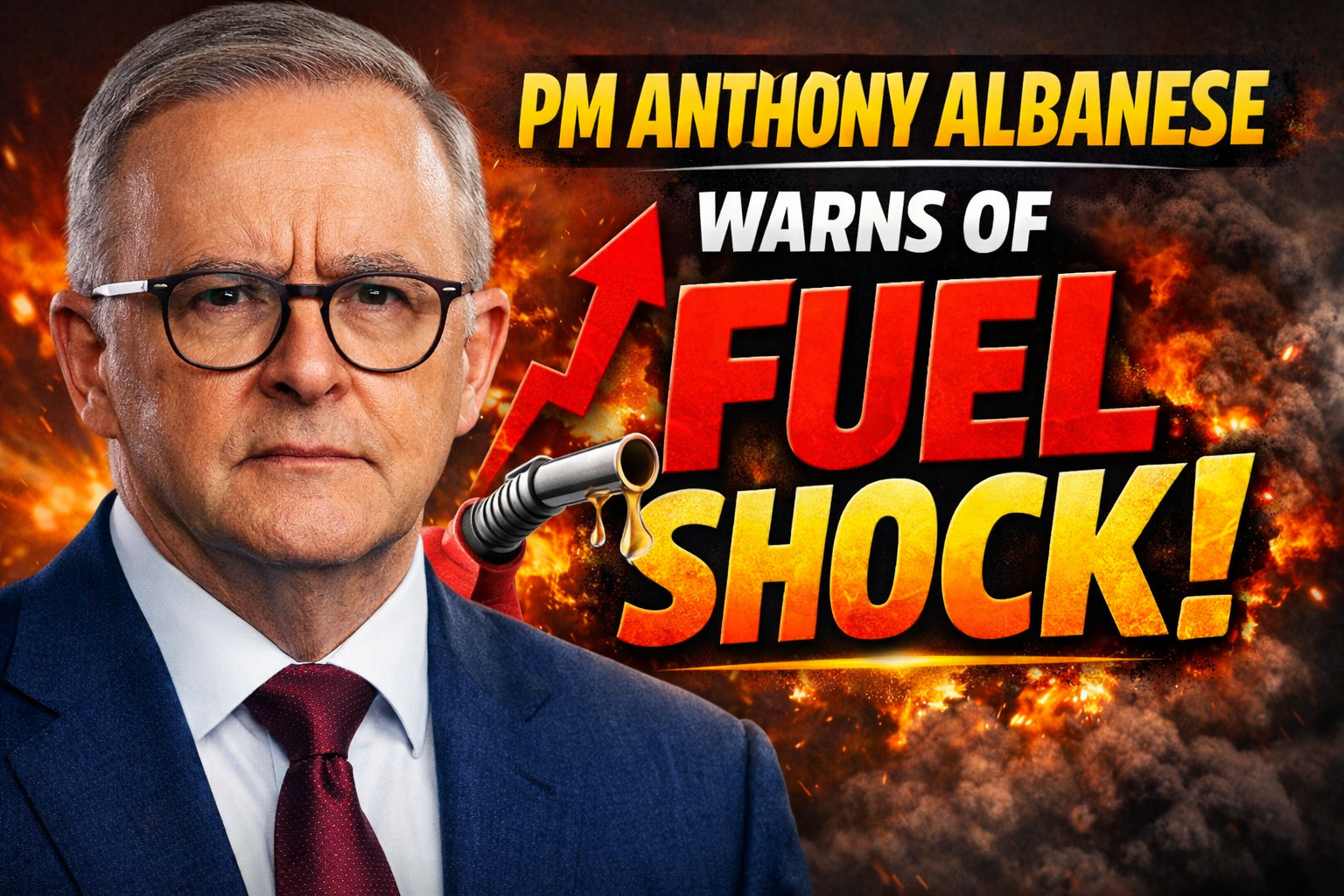
Prime Minister Anthony Albanese has issued stark warnings about an impending fuel shock hitting Australian households, directly linked to escalating Middle East conflicts. As war disrupts global oil flows, petrol prices are surging, amplifying the nation’s cost of living pressures.
The Middle East Conflict Trigger
Tensions in the Middle East, particularly involving Iran and its naval actions in the Strait of Hormuz, have choked off a massive share of world oil supplies. This vital chokepoint handles one-fifth of global crude, and blockades have sent benchmark prices rocketing past historic highs.
Australia, heavily reliant on imported refined fuels from Asian refineries, feels the pinch acutely. Crude oil benchmarks have climbed sharply, pushing wholesale costs through the roof and forcing retailers to pass on hikes to consumers.
Prime Minister Albanese highlighted this in recent addresses, stressing that prolonged conflict means worsening impacts down under. The government’s messaging underscores preparation to shield everyday Australians from the fallout.
Current Petrol Price Snapshot
Nationwide averages have leaped to over two dollars per litre in major cities, with peaks hitting two dollars twenty-two cents in Perth. Sydney drivers face two dollars nine cents, Melbourne two dollars eight cents, and Brisbane two dollars ten cents on average.
These spikes mark an eight-week climb of nearly fifty cents from earlier troughs around one dollar fifty-seven cents. Retail margins have widened too, drawing scrutiny from regulators over potential price gouging.
Rural areas suffer worst, with shortages at bowsers compounding the pain. A typical family tank—sixty-five litres—now costs far more, eroding weekly budgets amid steady driving habits.
| City | Peak Price (per litre) | Average Price (per litre) | Monthly Rise |
|---|---|---|---|
| Sydney | 2.15 | 2.09 | 0.48 |
| Melbourne | 2.12 | 2.08 | 0.46 |
| Brisbane | 2.18 | 2.10 | 0.50 |
| Adelaide | 1.95 | 1.85 | 0.38 |
| Perth | 2.22 | 2.02 | 0.55 |
| Hobart | 2.20 | 2.15 | 0.52 |
This table captures city-specific surges, showing Perth’s vulnerability.
Household and Economic Ripple Effects
For the average household, weekly fuel outlays have ballooned by fifty to sixty dollars, translating to thousands extra yearly. Families averaging thirty-five litres weekly now pay nearly eighty-six dollars, up sharply from prior norms.
This hits low-income and regional drivers hardest, where transport is essential for work and essentials. Broader living costs compound it: insurance, energy, rents, and groceries all climbing in tandem.
Businesses, especially trucking and farming reliant on diesel, face margin squeezes. Freight costs rise, feeding into supermarket prices and stalling economic momentum. Economists warn of trimmed growth if shocks persist.
PM Albanese’s Direct Warnings
In press conferences and National Cabinet updates, Albanese has painted a vivid picture of the “fuel shock” risks. He convened leaders to coordinate, admitting communication lapses early on but pledging unified action.
Albanese stressed Australia’s secure near-term stocks—around a month’s supply—but urged calm: “Buy only what you need.” He tied relief to global de-escalation, eyeing U.S. and Iranian moves.
Energy Minister Chris Bowen echoed this, noting distribution tweaks and reserve taps. The PM’s tone blends urgency with reassurance, framing it as a “stress test” for government resolve.
Government Relief Measures Rolled Out
Key moves include halving the fuel excise from fifty-two cents to twenty-six cents per litre for three months, slashing tank fills by about nineteen dollars. Heavy vehicle charges drop to zero too, aiding logistics.
States pledged no windfall GST grabs on inflated prices. Reserves released—twenty percent easing storage rules—target regions, while quality standards flexed for higher sulphur imports temporarily.
A National Fuel Security Plan at Level Two allows underwriting imports via Export Finance tweaks. Bowen reported stocks at thirty-nine days for petrol, thirty for diesel and jet fuel.
These steps aim to cap inflation spikes and stabilise supply chains.
How the War Disrupts Global Supply
Iran’s Strait blockade reroutes tankers, spiking freight and insurance costs. Asian refineries, feeding eighty percent of Aussie needs, prioritise locals amid crude rationing.
Australia’s minimal reserves—policy choice by both parties—expose it, unlike nations stockpiling months ahead. No rationing yet, but bowsers run dry locally due to panic buying and logistics snarls.
Albanese’s team eyes future cargoes, blending diplomacy with pragmatic buys.
Criticisms and Opposition Response
Opposition figures slam slow starts, demanding GST freezes or scrapping on fuel to amplify relief. Coalition pushes deeper excise cuts, accusing Labor of downplaying early signals.
NRMA and motoring groups praise recent pivots but want bolder stockpile builds. Farmers vent frustration over diesel woes, urging federal leadership over state patches.
Public sentiment mirrors this: polls show worry over affordability, with calls for long-term energy independence.
Stats on Fuel Consumption and Vulnerability
Households drive about eleven thousand kilometres yearly, guzzling eleven litres per hundred for typical petrol cars. Diesel powers one-third of vehicles, amplifying freight pain.
Pre-crisis, fuel ate five to seven percent of budgets; now it’s double for many. Exports boom—LNG and coal—from war premiums offsets some budget hits, but growth dips loom.
| Fuel Type | Stock Days | Volume (billions litres) | Key Users |
|---|---|---|---|
| Petrol | 39 | 1.6 | Cars, light vehicles |
| Diesel | 30 | 2.7 | Trucks, farms, industry |
| Jet Fuel | 30 | 0.008 | Aviation |
Stock levels highlight diesel’s tightrope.
Long-Term Strategies Proposed
Beyond patches, Albanese eyes electric vehicle incentives, public transport boosts, and efficiency mandates. Fuel security laws formalise import backing, deterring future shocks.
Diversifying suppliers—U.S., domestic refining revival—gains traction. Critics push strategic reserves quadruple current levels.
Work-from-home and carpooling trends help, but rural rail freight upgrades essential.
Global Comparisons
G7 peers enact similar tax relief and anti-gouging probes. U.S. taps reserves; Europe rations industrials. Australia’s import dependence mirrors Japan’s, but smaller buffers hurt.
Trump-era policies factor in, with Albanese monitoring White House-Iran dynamics.
Outlook and Risks Ahead
If war drags, prices could hit two dollars fifty or more, testing measures’ limits. De-escalation offers respite, but Level Three plan—stricter coordination—looms.
Budget on May twelfth balances relief costs against export windfalls. Inflation cools half a point short-term, per forecasts.
Path Forward for Australians
Albanese’s warnings galvanise action, blending immediate cuts with supply shields. Shop smart, conserve fuel, support policy pushes for resilience.
This crisis tests national grit, but coordinated resolve can weather the storm. Petrol pain underscores energy security’s primacy in turbulent times.

Vineeth T.C. is a news writer and digital content contributor at PageEuropean, covering key developments across New Zealand and Australia. His work focuses on delivering clear, fact-based reporting on current affairs, public policy, business updates, and regional news that matter to readers.