
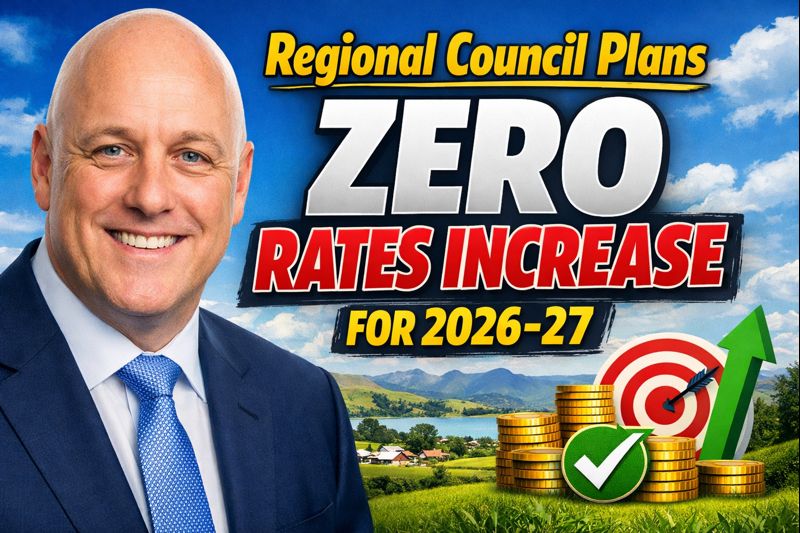
Northland Regional Council proposes a historic zero percent rates increase for the 2026-27 financial year, the first in over a decade, easing burdens on 100,000 ratepayers amid cost-of-living pressures. Chair Pita Tipene emphasizes leaner spending and core priorities like flood management without deep service cuts. Local leaders welcome the move cautiously, as final approval awaits mid-2026’s Annual Plan adoption.
Proposal Announcement
Northland Regional Council signals a nil increase in total rates take for 2026/27, responding to community financial strains. Chair Pita Tipene announced the target on December 18, highlighting council-wide savings searches that preserve service levels. This follows a 3.54 percent rise for 2025/26, already below the forecasted 5.79 percent.
Tipene stresses proactive fiscal discipline predating central government signals. Final rates confirm mid-2026 via the Annual Plan, skipping consultation as changes align with the 2024 Long Term Plan. Ratepayers see relief in an inflation-hit era, though individual bills vary by property valuations.
Recent Rates Trajectory
Northland endured three years of double-digit hikes: 15.94 percent in 2024/25, 10.48 percent in 2023/24, and 13.9 percent in 2022/23. The 2014 zero increase marked the prior freeze. Cumulative pressures from inflation, compliance costs, and unfunded mandates strained households.
Council trimmed 2025/26 forecasts through efficiencies, positioning 2026/27 as stabilization. Tipene frames zero rates as “standing with our people,” balancing empathy and responsibility.
| Financial Year | Rates Increase | Key Factors |
|---|---|---|
| 2022/23 | 13.9% | Post-COVID recovery |
| 2023/24 | 10.48% | Inflation surge |
| 2024/25 | 15.94% | Compliance, mandates |
| 2025/26 | 3.54% | Efficiencies applied |
| 2026/27 (proposed) | 0% | Lean spending focus |
Trend reversal signals discipline.
Savings and Efficiency Measures
Council targets reductions without gutting essentials like flood protection and environmental monitoring. “Smarter, leaner spending” redefines core business, trimming non-essentials. No major capital drains or excessive borrowing planned, avoiding future interest burdens.
Tipene assures the Long Term Plan’s work programs proceed largely unchanged. Minor service adjustments occur selectively, prioritizing high-impact areas. Internal reviews identify redundancies, streamlining operations amid rising supplier costs.
| Strategy | Examples | Expected Savings |
|---|---|---|
| Operational Efficiencies | Process reviews | Significant |
| Service Prioritization | Core flood/environment | Maintained |
| Non-Core Reductions | Minor adjustments | Targeted |
| Borrowing Discipline | Avoid interest spikes | Long-term |
Approach sustains delivery.
Local Leader Reactions
Former NRC chair Mark Farnsworth applauds if inflation-matched without capital erosion. He cautions against central government compliance creep shifting costs. Ex-deputy Graeme Ramsey welcomes relief for struggling residents but seeks service cut details.
Stan Semenoff, ex-WDC mayor and NRC deputy, praises positivity, urging sustainability. Phil Halse views downward moves positively, warning against deferred costs via debt. Cautious optimism prevails, valuing tangible relief.
District Council Contexts
Whangārei District Council proposes halving its 10.1 percent rise to five percent via March consultation, alongside commercial relief options. Mayor Ken Couper cites affordability concerns and ongoing financial reviews.
Kaipara eyes eight-point-three percent from long-term planning, with February budget tweaks possible. Northland’s collaborative ethos emerges, though districts tailor responses.
| Council | Proposed 2026/27 Increase | Status |
|---|---|---|
| NRC | 0% | Signaled, mid-2026 confirm |
| WDC | 5% (halved option) | Consultation March |
| Kaipara | ~8.3% | February review |
Regional leadership sets tone.
Government Influence
Central government’s rates capping announcement coincides but Tipene insists NRC acted independently. Proactive stance differentiates, aligning with national affordability pushes without mandates.
Ratepayer Implications
Zero total take means stable collective burden, though revaluations shift individuals. Rural properties may see variances from urban. Relief aids households, farms, and businesses facing groceries, fuel hikes.
No consultation saves costs, leveraging prior Long Term Plan buy-in. Transparency via public Annual Plan release mid-2026.
| Ratepayer Type | Potential Impact | Considerations |
|---|---|---|
| Residential | Stable/valuation-based | Cost-of-living aid |
| Rural/Farms | Varies by changes | Essential services intact |
| Commercial | Collective relief | Economic support |
Broad benefits anticipated.
Challenges Ahead
Sustaining zero requires vigilant efficiencies amid unforeseen storms or mandates. Borrowing risks interest traps; service trims invite scrutiny. Inflation persistence tests resolve.
Mid-2026 adoption tests commitment, with Annual Plan detailing metrics.
Future Outlook
Proposal positions NRC as affordability leader, potentially inspiring peers. Success builds trust, enabling bolder investments later. Northland ratepayers gain breathing room, fostering community resilience.

Vineeth T.C. is a news writer and digital content contributor at PageEuropean, covering key developments across New Zealand and Australia. His work focuses on delivering clear, fact-based reporting on current affairs, public policy, business updates, and regional news that matter to readers.