

A damaging debate over Test‑match pitch preparation has resurfaced in 2026, placing Cricket Australia once again under the microscope after a series of unusually short Tests. The controversy centres on how cricket’s governing bodies weigh the demands of spectacle, commercial revenue, and sporting fairness, particularly in the context of Australia’s high‑stakes international schedule. While the most explosive scenes came during the 2025 Ashes, the fallout has now crystallised into a broader policy discussion about who should be in charge of Test‑match surfaces and how much oversight Cricket Australia should exert over local curators.
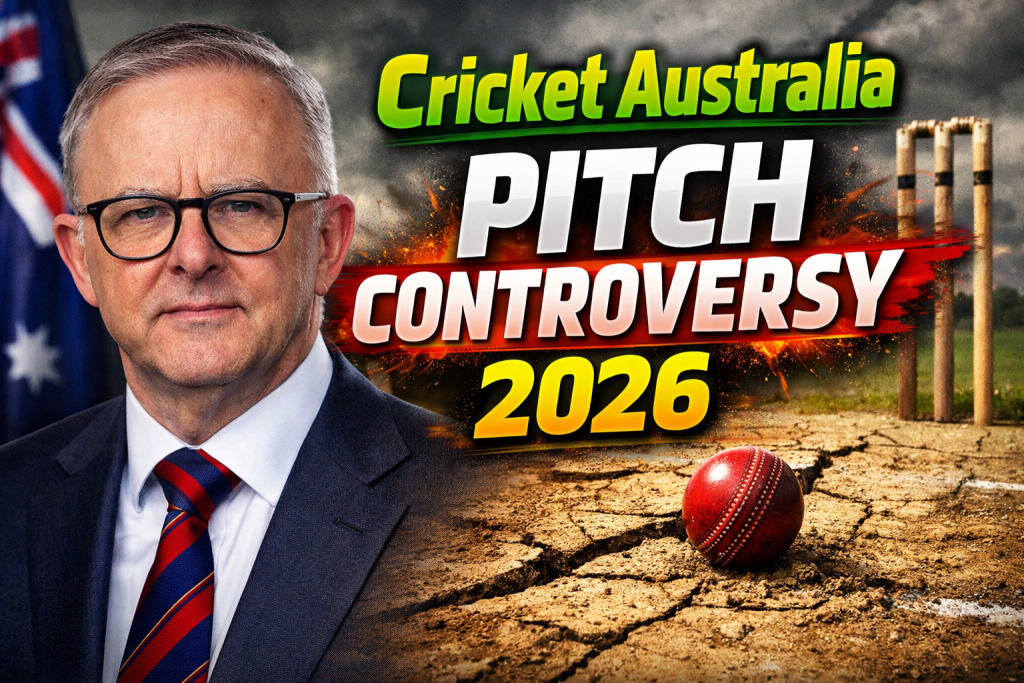
The 2025 Ashes Blast‑Zone
The immediate trigger for the 2026 debate was the 2025 Ashes series, where two of the five Tests finished in just two days, generating anger from fans, broadcasters, and cricket administrators. The MCG Boxing Day Test, in particular, became emblematic of the controversy. Head curator Matt Page left approximately 10 millimetres of grass on the drop‑in wicket, creating a surface that seamed dramatically from the outset and produced 36 wickets in only 142 overs. Twenty wickets fell on the first day alone, and the match was effectively over by the evening of the second day, with England chasing down a modest 175 to secure a rare victory in Australia.
The financial and reputational consequences were stark. Cricket Australia faced a revenue shortfall in the region of 15 million dollars across the Perth and Melbourne Tests, largely because spectators and broadcasters are paying for a multi‑day spectacle, not a truncated spectacle game. Todd Greenberg, Cricket Australia’s chief executive, publicly acknowledged that the situation was “bad for business” and questioned whether pitch‑preparation standards were keeping pace with the evolving nature of Test cricket and the expectations of the modern game.
The Science and Art of the Surface
Underpinning the controversy is a long‑running tension between the science of pitch‑making and the commercial and sporting pressures surrounding marquee matches. Curators argue that a Test‑day‑one wicket should support the contest between bat and ball, often by preserving some grass and maintaining moisture to encourage early seam movement. At the MCG, Page justified the 10‑millimetre‑grass decision by pointing to the anticipated hot weather later in the match, reasoning that the pitch would “play out” as the surface dried. The reality, however, was that the grass interacted with the ball and the pace of the fast bowlers in a way that tipped the balance too far toward the seamers, rendering the surface treacherous for established batters.
Cricket Australia and the Melbourne Cricket Club ultimately accepted responsibility for the outcome, even if they defended the intent. The MCG surface was rated as “very good” by the ICC, reflecting that it met technical criteria rather than entertainment expectations. This disconnect between regulatory standards and commercial‑sporting outcomes has become a running theme in the pitch‑controversy debate: a surface can be technically sound while still producing a wildly unbalanced contest that fans perceive as unfair or poorly judged.
The 2026 Position: No Major Increase in Central Control
By early 2026, the debate has moved from the immediate aftermath of the two‑day Tests to a broader institutional question: should Cricket Australia assume greater control over the preparation of Test‑match pitches, or should authority remain with local curators? The organisation’s stance, articulated in March 2026, is that it will not significantly expand its centralised oversight. Despite the financial pain of the Ashes series, Cricket Australia insists that local curators are best placed to understand the specific characteristics of their venues, including soil type, climate, and historical performance patterns.
The argument is that Australian conditions vary so much from state to state that a one‑size‑fit‑all model would be counterproductive. A curator who excels at preparing a green, seaming wicket in Brisbane or Perth might struggle with the different soil and temperature profile of the MCG or the Gabba. Cricket Australia therefore defends the existing structure—where state‑based curators retain primary responsibility, with Cricket Australia involved more in oversight and guidance than day‑to‑day decision‑making—on the grounds of local expertise and adaptability.
Commercial Impact and the “Headache” for CA
The 2026 debate is framed more bluntly than in the past because of the cold‑hard numbers involved. The two‑day Tests at Perth and the MCG are estimated to have cost Cricket Australia around 15 million dollars in lost revenue, stemming from unsold tickets, reduced concessions, sponsorship expectations, and broadcast‑rights considerations. For a body already under pressure from rising player‑payments and scheduling complexity, such losses are not trivial. The “headline” concern is that short Tests undermine the product’s value proposition: fans and broadcasters are buying into a four‑ or five‑day narrative, not an abbreviated spectacle game.
This commercial logic has led some commentators and administrators to suggest that the status quo is no longer sustainable. Ideas that have surfaced include the creation of a central pitch‑oversight team within Cricket Australia, a more rigorous set of pre‑match guidelines for green‑top preparation, and even a post‑match review process for unexpectedly short Tests. The MCG incident has already prompted internal reflection on whether the organisation might appoint a national pitch‑coordinator with the authority to visit major venues, scrutinise proposed preparations, and veto surfaces that appear excessively biased toward one discipline.
The Argument for Curator Autonomy
Opposing this centralising trend is a strong contingent of curators and pitch‑craft specialists who argue that over‑intervention could damage the integrity of the game. The argument is that Test pitches are not simply a commercial product; they are a sporting contest where variables like grass cover, moisture, and soil hardness are part of the strategic negotiation between teams. A pitch that encourages early seam movement, for example, tests a batter’s technique and mindset in a way that a flat, lifeless surface does not.
From this perspective, the controversy is less about “bad” pitches and more about the mismatch between expectations and outcomes. The MCG Boxing Day Test did what many curators would consider a pitch’s job: it created a contest in the first session and then gradually flattened as the match progressed. The problem was that the scale of the early imbalance—20 wickets in one day—made the game culturally and commercially untenable, even if it satisfied the technical brief. Advocates for curator autonomy warn that if Cricket Australia starts dictating how much grass to leave, how much moisture to retain, and how “true” the surface must be, the game risks losing its inherent unpredictability and turning into a board‑room‑managed product rather than a sporting contest.
The Players’ Stake in the Debate
The pitch‑controversy also has a direct impact on how players plan for and experience Test cricket. A green, seaming wicket such as the one at the MCG sharply increases the value of high‑quality fast bowling and sharp‑edged techniques, while punishing batters who struggle with movement off the surface. The converse is true of a flat, spin‑friendly wicket, which can reward wrist‑spinners and sweep‑shot‑heavy approaches. The unpredictability of these conditions is part of Test cricket’s appeal, but it also raises questions about preparation and fairness.
In the aftermath of the two‑day Tests, debate has turned to how much teams are expected to adjust to surfaces. Some commentators argue that pitches should be prepared in a way that allows for a “fair” contest over several days, rather than extremes that quickly decide outcomes. Others counter that the challenge for players is to adapt to varying conditions, and that the responsibility for selection and tactics lies with coaching staff and captains, not just curators. The Australian selectors, for example, have been questioned for not backing batters suited to seaming conditions, but the broader debate is about whether the surfaces themselves should be engineered to encourage a specific style of play or left to behave more organically.
The 2026 Outlook: A Balancing Act
As 2026 unfolds, the Cricket Australia pitch controversy is less about a single match and more about the long‑term philosophy behind Test‑match preparation. The organisation has made it clear that it will not, for the moment, install a centralised pitch‑control regime, but the financial and reputational sting of the two‑day Ashes Tests means that the pressure to find a middle ground is unlikely to fade. Possible compromises could include tightening guidelines for what is considered “green enough” at venues like the MCG, improving communication between state curators and Cricket Australia in the days leading up to a Test, and introducing more structured post‑match review processes that assess the balance of the surface.
Ultimately, the debate reflects a broader tension in modern Australian cricket: how much of the game can—and should—be managed to satisfy commercial and entertainment imperatives while still preserving the raw, unpredictable character that defines Test cricket. The MCG and Perth incidents have forced Cricket Australia to confront the “headache” of short Tests directly, but the organisation’s instinct is to trust the expertise of local curators rather than impose a top‑down solution. For fans and stakeholders watching the 2026 home Test schedule, the outcome of this debate will determine whether pitches are seen as part of the game’s unpredictable drama or as a managed product in the age of the short‑attention‑span spectacle.

Vineeth T.C. is a news writer and digital content contributor at PageEuropean, covering key developments across New Zealand and Australia. His work focuses on delivering clear, fact-based reporting on current affairs, public policy, business updates, and regional news that matter to readers.