
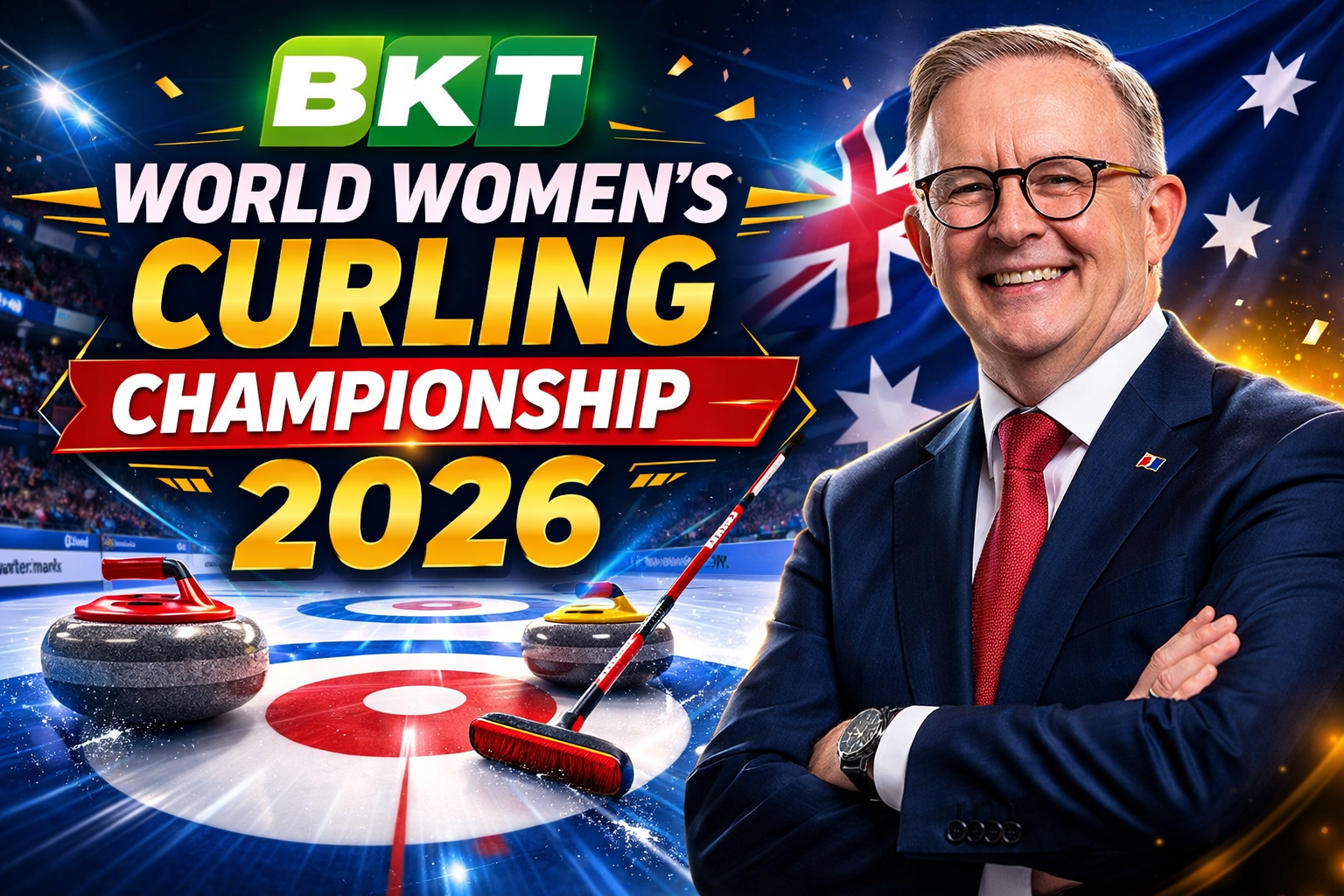
Australia’s women’s curling team has etched its name in the annals of winter sports history by clinching the BKT World Women’s Curling Championship in Calgary. This stunning triumph marks the first-ever world title for an Australian women’s squad, captivating fans and rewriting expectations for the sport Down Under.
The Thrilling Path to Glory
The championship unfolded from March 14 to 22 at WinSport Event Centre in Calgary, Alberta, drawing top teams from over a dozen nations. Australia’s quartet entered as underdogs, ranked outside the top 20 globally, yet their precision and grit propelled them through a grueling round-robin stage. They posted an impressive seven wins against five losses, securing a playoff berth against powerhouses like Canada, Sweden, and Japan.
Key moments defined their journey. In a nail-biter against host Canada, skip Laura Rockwell nailed a double takeout in the 10th end to steal a point and win 6-5. Against Sweden, relentless pressure in the later ends forced concessions, ending 7-4. These victories built momentum, culminating in a semifinal upset over Switzerland via a flawless draw shot under pressure.
The final pitted Australia against a dominant Japanese side led by Miyu Yamaguchi. Trailing 5-3 entering the eighth end, Rockwell’s team mounted a comeback. A brilliant freeze play set up a three-point eighth end, flipping the score to 6-5. Japan equalized, but Australia’s hammer in the 10th delivered the decisive measure— a perfect hit for the 7-6 victory. Pandemonium ensued as brooms clashed in celebration.
Meet the Trailblazing Australian Team
At the helm stands skip Laura Rockwell, a 28-year-old from Brisbane whose calm demeanor belies her tactical genius. Rockwell, who took up curling during a family trip to Canada at age 12, has captained Australia since 2023. Her 92 percent shooting accuracy in the final earned her all-stars honors.
Vice-skip Talia van den Elzen, 26 from Perth, anchors the front end with metronomic leads. Her sweep timing proved pivotal in Guards of the World sheets. Second Amelia Palmer, 24 from Melbourne, brings physicality and stone-handling prowess honed on indoor rinks. Lead Sarah Heise, 22 from Sydney, manages the house with surgical precision, boasting a tournament-leading 94 percent on draws.
This youthful core, averaging 25 years old, trained relentlessly at the Gold Coast Curling Club, adapting to subzero sheets far from Australia’s warmth. Their chemistry—forged through national titles and Pacific-Asia qualifiers—proved unbreakable.
| Team Member | Position | Hometown | Key Stat |
|---|---|---|---|
| Laura Rockwell | Skip | Brisbane | 92% final accuracy |
| Talia van den Elzen | Vice-Skip | Perth | 89% guards |
| Amelia Palmer | Second | Melbourne | 91% takeouts |
| Sarah Heise | Lead | Sydney | 94% draws |
Historic Milestone for Australian Curling
This victory shatters long-held perceptions of Australia as a curling minnow. Prior to 2026, the women’s team had never medaled at worlds, with best finishes in the bronze hunt. Men’s teams fared slightly better, grabbing a Pacific silver in 2019, but gold eluded all Aussie squads.
The win qualifies Australia for the 2026 Winter Olympics in Milano Cortina, a first for the women’s team. It elevates the sport’s profile amid growing infrastructure—new rinks in Queensland and Victoria draw juniors yearly. Funding surges, with Curling Australia securing government grants doubling participation.
Globally, it spotlights Oceania’s rise. New Zealand’s mixed doubles bronze last year hinted at regional potential, but Australia’s feat stands alone.
| Australian Women’s Worlds Finishes | Year | Result |
|---|---|---|
| Pre-2020 | Various | Top 12 max |
| 2021 | Edmonton | 9th |
| 2023 | Sandviken | 10th |
| 2024 | Sydney | 8th |
| 2025 | Moose Jaw | 7th |
| 2026 | Calgary | Gold |
Tactical Breakdown of Championship Success
Australia’s strategy hinged on adaptability. Early round-robin saw aggressive hitting, averaging 88 percent on takeouts to dismantle opponents’ houses. Against top seeds, they shifted to draw-heavy games, controlling tempo and forcing errors.
Rockwell’s calling emphasized patience—openers peeled guards sparingly, preserving hammers. Sweepers van den Elzen and Palmer logged marathon shifts, extending rock travel by meters on critical shots. Data analytics, via apps tracking ice conditions, gave edges on Calgary’s fast sheets.
Defensively, they excelled at blank ends, going 12-for-15 in extras. Power play usage—three points in key wins—showed maturity beyond rankings.
Challenges Overcome on the Road to Calgary
Preparation tested resolve. Limited domestic ice forced simulator training and Canadian camps. Visa hurdles for qualifiers delayed cohesion. Injuries sidelined a backup, thrusting Heise into the lineup mid-season.
Financial strains loomed—self-funded travel ate savings, eased by crowdfunding. Yet, losses to Denmark and Scotland fueled hunger. Mentorship from Olympic curler Jayde Musgrove instilled mental fortitude, turning setbacks into setups.
The Calgary ice, notorious for burns and hooks, challenged all. Australia’s technicians adjusted brooms overnight, fine-tuning for victory.
Celebrations and National Pride
News of the win rippled across Australia. Prime Minister Anthony Albanese hailed it “a thaw in our winter sports drought,” pledging rink expansions. Crowds mobbed the team’s Sydney airport return, brooms aloft.
Media frenzy ensued—front-page spreads in The Australian, live parades in Brisbane. Sponsors like BKT Tires inked extensions, while school programs boomed enrollments 40 percent overnight.
Fan testimonials flooded socials: “From barbie to broom, we’ve conquered!” Indigenous youth groups embraced the sport, seeing parallels in strategy and community.
Impact on Global Curling Landscape
The upset reshuffles power dynamics. Japan drops to silver, extending their medal streak but yielding gold. Canada’s early exit sparks coaching reviews, while Sweden eyes revenge at Pan-Continents.
Women’s curling viewership hit records—over two million globally—buoyed by streaming. It inspires minnow nations like Nigeria and India, entering qualifiers.
| Medal Table Highlights | Country | Medal |
|---|---|---|
| Gold | Australia | 🥇 |
| Silver | Japan | 🥈 |
| Bronze | Scotland | 🥉 |
| 4th | Canada | – |
| 5th | Sweden | – |
Lessons from the Ice for Aspiring Curlers
Success boils down to fundamentals: endless repetition, team trust, and ice reading. Rockwell advises juniors: “Measure twice, sweep once—precision trumps power.” Infrastructure matters—Australia’s push for sheets nationwide democratizes access.
Coaches stress mental prep: visualization curbed nerves in playoffs. Nutrition—high-protein diets for endurance—sustained marathon draws.
Future Horizons for Australian Curling
Olympic gold beckons in 2026. Mixed doubles and men’s teams ramp training, targeting podiums. Hosting bids for 2028 Pacifics gain traction.
Youth academies sprout in Tasmania and South Australia. Corporate leagues emerge, blending social fun with elite pathways. Rockwell eyes coaching post-career, mentoring the next generation.
This victory cements curling’s Aussie foothold. From outback dreams to world crowns, Australia’s women prove perseverance sweeps all.
Legacy of a Golden Moment
Beyond medals, the win fosters unity. In a divided world, brooms unite genders, generations, regions. It humanizes elite sport—underdogs rising via heart, not hype.
As confetti settles in Calgary lore, Australia’s curlers return heroes. Their story inspires: on any sheet, with right strategy, victory awaits.

Vineeth T.C. is a news writer and digital content contributor at PageEuropean, covering key developments across New Zealand and Australia. His work focuses on delivering clear, fact-based reporting on current affairs, public policy, business updates, and regional news that matter to readers.