

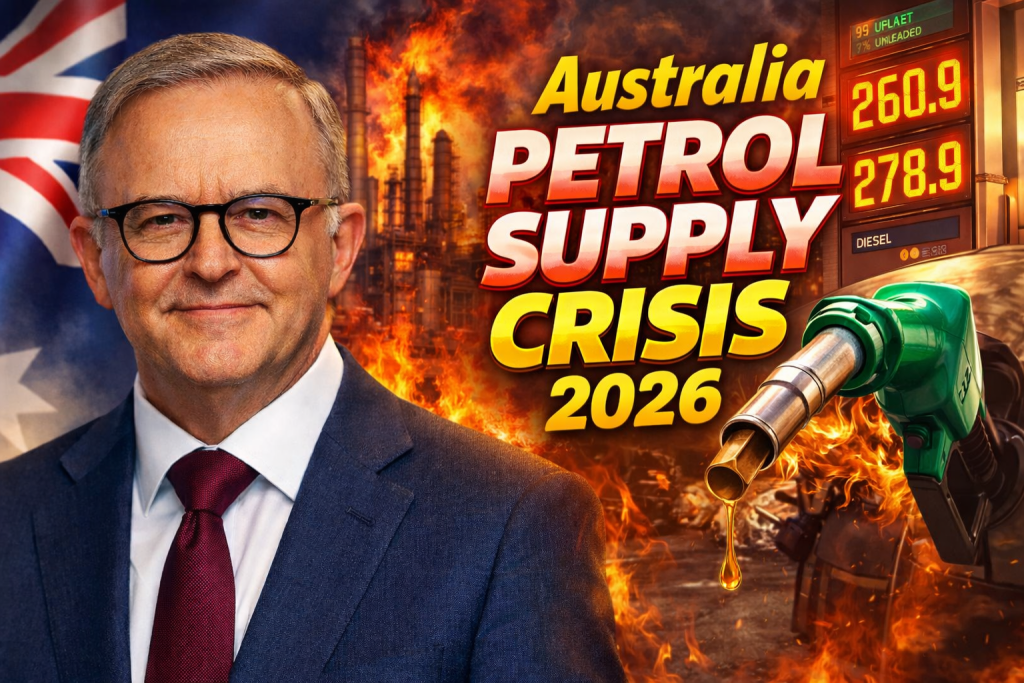
A perfect storm of Middle East conflict and consumer panic has gripped Australia, triggering widespread petrol shortages and price surges that have left drivers queuing for hours and regional communities on edge. Oil prices have rocketed past 110 dollars per barrel amid Iranian disruptions to the Strait of Hormuz, but government officials insist ample national reserves exist—blaming panic buying for emptying pumps nationwide.
Origins of the Crisis
Tensions erupted when Iran retaliated against US and Israeli strikes, blockading key oil routes and slashing global supply flows by up to 20 percent. Australia’s vulnerability stems from low domestic refining capacity—just two operational plants after years of closures—and heavy reliance on imported refined fuels from Singapore and Asia. Strategic stockpiles sit at 36 days for petrol, 34 for diesel, and 32 for jet fuel, exceeding legal minimums but far below the International Energy Agency’s 90-day benchmark.
Panic ignited social media warnings of imminent shortages, prompting mass stockpiling. Urban stations saw queues snake around blocks, while regional distributors reported demand spikes of 200 to 300 percent in areas like Barossa Valley and Mildura. Energy Minister Chris Bowen urged calm in parliament, stressing deliveries continue unabated, yet visuals of dry pumps fueled hysteria.
Panic Buying’s Vicious Cycle
Consumer behavior amplified supply strains dramatically. In Adelaide Hills, sales tripled overnight; Queensland rural wholesalers received mere 10 percent of allocations as urban hoarding diverted trucks. Fishing trawlers idle off shores, farmers ration diesel for harvests, and truckies prioritize food transport over non-essentials.
Retailers imposed limits—50 litres maximum per vehicle in many spots—forcing rationing that deepened perceptions of scarcity. Economists label this a self-fulfilling prophecy: initial fears trigger buying surges, delaying restocking and justifying higher prices. Past episodes, like COVID toilet paper runs, mirror the dynamic, but fuel’s daily necessity escalates impacts.
Government pleas backfired initially, with Barnaby Joyce warning on morning TV of crisis potential absent policy shifts. Opposition figures like Michaelia Cash accused ministers of inaction, demanding supplier interventions.
Regional Disparities Hit Hardest
Metro areas rebound faster via major terminals, but rural Australia bears the brunt. Bartranz Petroleum in Queensland decried urban prioritization, leaving outback stations barren. Westlink’s Danny Kreutzer triaged fuel to farmers and feeders, underscoring diesel’s outsized role—Australia guzzles twice as much as petrol for agriculture and freight.
Communities like Mildura face isolation risks, with ambulances conserving and schools adjusting bus routes. Food security looms: empty farm tanks threaten harvests, potentially hiking supermarket prices 10 to 20 percent short-term. Trawler fleets, vital for seafood, strand catches rotting at docks.
| Region | Demand Surge (%) | Key Impacts |
|---|---|---|
| Barossa/Adelaide | 238 | Stations dry, queues km-long |
| Mildura, Victoria | 100 | Rural pumps rationed |
| Regional Queensland | 200+ | 10% allocations to distributors |
| National Rural | 150 average | Farmers/truckies prioritized |
These gaps expose infrastructure frailties, with freight costs inflating rural premiums by 30 cents per litre already.
Skyrocketing Prices at the Pump
Petrol averages 240 cents per litre nationally, up from 210 pre-crisis, with diesel hitting 259 in spots. Analysts forecast 40-cent jumps soon as spot market lags catch up—six weeks from tanker orders to pumps. Taxes claim 40 percent of costs unchanged, spotlighting margins under ACCC scrutiny.
Urban cycles persist—hikes synchronized, drops delayed—but regions endure sustained highs sans competition. Consumers face 75 to 100 dollar monthly hikes for average vehicles, squeezing budgets amid stagnant wages. Inflation forecasts climb to five percent, pressuring RBA rate paths.
| Fuel Type | Pre-Crisis (c/L) | Current Avg (c/L) | Projected Peak (c/L) |
|---|---|---|---|
| Petrol | 210 | 240 | 280 |
| Diesel | 195 | 259 | 300 |
| Jet Fuel | N/A | Reserves strained | Airline fares up |
Premiums sting commuters most, with electric vehicle waits lengthening as alternatives scarce.
Government and Industry Response
Minister Bowen mandated daily reserve updates, affirming stocks above requirements and shipments on schedule. Yet critics decry reactive stance—refinery closures since 2012 left vulnerability unaddressed. Proposed windfall taxes and price caps gain traction, echoing 2009 royal commission calls.
Major suppliers like BP and Caltex ration via contracts, prioritizing independents minimally. ACCC ramps probes into gouging, demanding wholesale data amid uniform hikes. States mull rebates; Queensland eyes vouchers anew.
Opposition hammers deregulation flaws, Barnaby Joyce blasting reliance on “outdated policies” and Trump resolutions. Bipartisan agreement emerges on strategic reserve builds, targeting 60 days minimum.
Economic Ripple Effects
Households slash discretionary spend, retail sales dip five percent early signals. Trucking margins evaporate—10-cent rise costs five percent profitability—forcing surcharges passed to groceries. Mining halts non-critical ops, agriculture delays plantings.
GDP shave estimates hit 0.5 percent this quarter, inflation spikes delaying RBA cuts. Airlines ground flights, fares soar 15 percent. Long-term, biofuel mandates and EV subsidies accelerate, but short-term pain unavoidable.
Businesses hoard where possible, supply chains fray. Food producers warn checkout impacts soon, with perishables first hit.
Lessons from Past Crises
COVID shortages taught little: initial calm devolved into runs mirroring 1970s oil shocks. 2009 inquiries exposed cycles but yielded apps tracking troughs. Singapore refinery halts in 2024 previewed risks, yet policy inertia prevailed.
Global parallels—US lines post-Ukraine, Europe’s rationing—underscore import dependence. Australia’s edge: no outright bans, diversified sources beyond Gulf.
Consumer Survival Tips
Time wisely: mid-week troughs in cities, apps like FuelPrice track cycles. Half-tank rule prevents hoarding spirals. Loyalty programs yield five to 10 cents off, carpooling slashes usage.
Report gouging via ACCC hotlines; bulk-buy jerry cans legally capped. Shift to public transport where viable, though diesel buses strain too.
Maintenance matters: proper tyre pressure boosts efficiency 10 percent. EVs dodge chaos, charging infrastructure ramps amid demand.
Path to Resolution
Deliveries from Asia restock terminals mid-week, easing metros first. Panic fades as pumps refill, prices peak then cycle down. Oil stabilization hinges on Hormuz reopening—diplomatic breakthroughs or force could cap at 130 dollars.
Government eyes emergency powers for allocation if reserves dip below 30 days. Long-term: refinery restarts debated, domestic production incentives.
Industry pledges transparency, ACCC fines loom for opportunists. Consumers tire of queues, normalcy returns gradually.
Broader Geopolitical Ties
Iran’s blockade ties directly to US-Israel escalations, Hormuz closure slashing 27 percent crude transit. Australia’s 28-day pre-crisis stock exposed complacency versus peers’ 90 days. Trump administration urges allies stockpile, spotlighting energy security.
Diversification pushes: more US, African imports planned. Climate goals clash—net-zero demands fossil cuts amid shocks.
Community and Psychological Toll
Anxiety grips: viral videos of brawls at pumps erode trust. Rural isolation amplifies fears, mental health lines buzz. Interdependence shines—neighbors share cans, communities rally.
Media frenzy worsens spirals, balanced reporting key to calm.
Future Preparedness Needed
Crisis underscores reform urgency: legislate 90-day reserves, subsidize synthetics, fast-track biofuels. Panic-proof education campaigns, real-time dashboards build resilience.
Australia emerges wiser, but scars linger—drivers vow never again, policymakers face reckoning. Supply normalizes, prices ease, yet lessons demand action beyond pleas. Fuel flows resume, but vigilance endures in volatile world.

Vineeth T.C. is a news writer and digital content contributor at PageEuropean, covering key developments across New Zealand and Australia. His work focuses on delivering clear, fact-based reporting on current affairs, public policy, business updates, and regional news that matter to readers.