
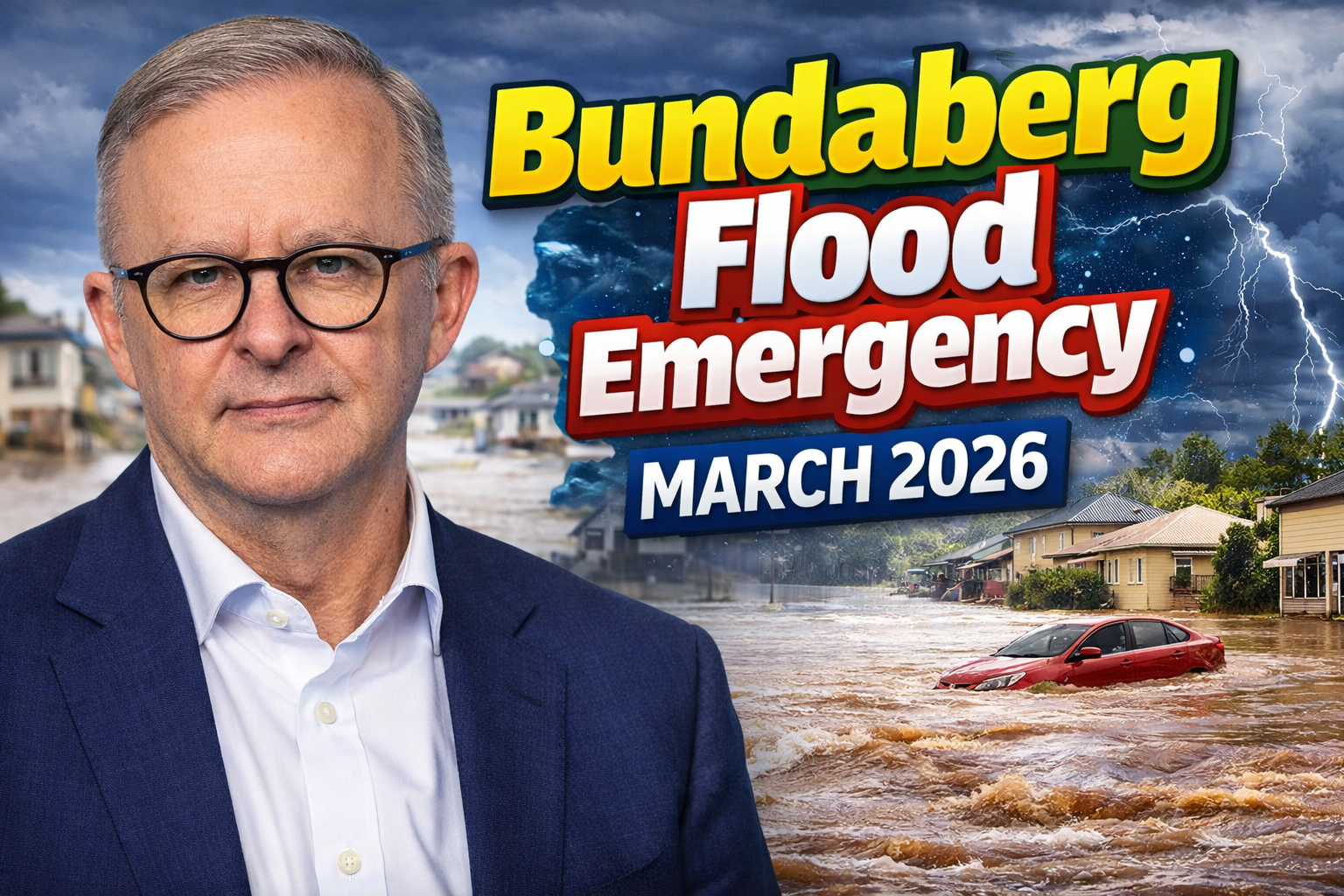
Queensland’s Bundaberg region faces its most severe flooding in over a decade as the Burnett River surges toward dangerous levels. Emergency evacuations are underway, with thousands at risk of isolation amid relentless rain from a tropical low-pressure system.
Introduction to the Crisis
Bundaberg, a vibrant coastal hub known for its sugarcane fields and rum distilleries, is on high alert. Heavy downpours since early March have swollen rivers and creeks, pushing the Burnett River to the brink. Local authorities issued urgent “leave immediately” orders for low-lying suburbs, urging residents to seek higher ground before key bridges close.
This event echoes the devastating 2010 floods that inundated the city, but current forecasts predict similar devastation without the same loss of life thanks to advanced warnings. The crisis has mobilized state emergency services, stranding up to ten thousand people as infrastructure buckles under the deluge.
Causes and Weather Patterns
A slow-moving tropical low has dumped record rainfall across northern Australia, saturating catchments and overwhelming dams. The Burnett River, the region’s lifeblood, has risen rapidly after upstream releases from Paradise Dam and heavy localized falls exceeding two hundred millimeters in twenty-four hours.
Meteorologists attribute this to a La Niña-influenced wet season lingering into autumn, combined with climate-amplified storm intensity. Flash flooding hit rural properties first, cutting off coastal access and turning minor roads into raging torrents.
Timeline of the Emergency
The sequence unfolded swiftly over days. Initial warnings came on March ninth as flash floods closed dozens of roads. By midday March tenth, the Bureau of Meteorology predicted major flooding at seven meters by afternoon, escalating to seven-point-six meters overnight.
Evacuation orders targeted Bundaberg North, East, South, and Central, with bridges like Tallon and Burnett set to shut at the seven-meter mark. As water crept into homes late Tuesday, rescue teams positioned boats and helicopters for potential airlifts.
Impact on Residents and Infrastructure
Hundreds of homes and businesses face inundation, with over two hundred eighty residences and one hundred twenty commercial sites directly threatened. Power outages affect thousands, while sewage systems strain under the load, raising health risks.
The Bundaberg Recreation Precinct serves as a primary evacuation hub, sheltering families with pets and supplies. Schools closed, and hospitals diverted non-emergency cases, but frontline services remain operational via generators.
A breakdown of affected areas:
| Area | Properties at Risk | Key Impacts |
|---|---|---|
| Bundaberg North | 100+ homes | Bridge closures, isolation |
| Bundaberg East | 80 homes, 40 businesses | Floodwater over roads |
| Bundaberg South | 70 homes | Power loss, evacuation centers |
| Bundaberg Central | 30 businesses | Commercial disruption |
Emergency Response Efforts
The Bundaberg Regional Council, led by Mayor Helen Blackburn, activated its Local Disaster Management Group to full standby. Over thirty police officers, water rescue squads, and state emergency service volunteers deployed sandbags and conducted welfare checks.
The Queensland Fire and Emergency Services coordinated with the Australian Defence Force for high-water vehicle support. Neighboring regions like the Western Downs prepare for downstream effects, with Chinchilla under “prepare to leave” alerts.
Residents received SMS warnings and door knocks, emphasizing “leave now or regret later.” Community halls stocked with food, water, and medical aid buzz with activity, showcasing regional resilience.
Historical Comparison to Past Floods
Bundaberg’s flood-prone geography stems from its riverine position below a vast catchment. The 2010 event peaked at seven-point-nine-two meters, damaging seven thousand homes and costing over two billion dollars in recovery.
This 2026 flood mirrors that scale but benefits from better levees and early dam releases. Previous events in 1893, 1955, and 2013 honed evacuation drills, reducing panic. Yet, experts warn that rising sea levels and wetter storms could make future floods more frequent.
Key stats from major Bundaberg floods:
| Year | Peak Height (meters) | Homes Damaged | Economic Cost |
|---|---|---|---|
| 1893 | 8.2 | Thousands | N/A |
| 1955 | 7.4 | 500+ | Millions |
| 2010 | 7.92 | 7,000+ | $2B+ |
| 2026 | 7.6 (forecast) | 280+ | TBD |
Economic and Agricultural Toll
Sugarcane, Bundaberg’s economic backbone, faces widespread crop losses as fields submerge. Ginger and macadamia farms, key exports, report initial damage estimates in the tens of millions. The rum industry, iconic with Bundaberg Rum, secures distilleries but braces for supply chain hits.
Tourism halts as beaches close and highways flood, stranding visitors. Small businesses in the CBD shutter, with insurance claims projected to surge. Broader Queensland agriculture, including beef and grain, contends with downstream ripple effects.
Environmental and Health Concerns
Floodwaters carry pollutants from farms and urban runoff, contaminating drinking supplies. Mosquito-borne diseases like Ross River virus loom as standing water breeds insects. Wildlife, from kangaroos to platypuses, suffers displacement, with rescue efforts prioritizing livestock.
Conservationists monitor coral reefs offshore, as sediment plumes threaten the Great Barrier Reef. Long-term soil erosion could degrade fertile Burnett Valley farmlands for years.
Community Stories and Human Element
Long-time resident Jane McLean, new to her North Bundaberg home, packed essentials as water lapped doorsteps. “We’ve got photos, the dog, and each other—that’s what matters,” she shared. Elderly neighbors relied on SES crews for lifts, while young families navigated bridge closures with utes loaded high.
Local MP Tom Smith rallied the community: “Decide your safe spot now—bridges close at three PM.” Stories of mateship emerge, with farmers sharing tractors for evacuations and cafes feeding first responders gratis.
Government and Aid Support
Queensland Premier announced immediate relief funding, deploying mobile welfare centers. Federal disaster assistance activates for primary producers, covering fodder drops and mental health services. The Red Cross and Salvation Army provide blankets and counseling.
Insurance giants urge policyholders to document damage via apps, streamlining claims. Bundaberg Council prepares recovery plans, prioritizing road repairs and power restoration.
Recovery Roadmap Ahead
As the river peaks early Wednesday, focus shifts to cleanup. Levees hold so far, but overtopping risks remain with more rain forecast. Pumps will battle backwater, while engineers assess bridge integrity.
Rebuilding draws lessons from 2010: elevated homes, smarter zoning, and dam upgrades. Community forums will shape resilient infrastructure, blending flood mitigation with growth.
Broader Queensland Flood Context
This event ties into statewide chaos. Northern Territory’s Darwin River Dam failed, prompting water rationing. Western Queensland creeks like Charley in Chinchilla swell, with Warra under watch. The Sunshine Coast braces for runoff, highlighting interconnected hydrology.
Climate experts link intensified events to warming oceans fueling moisture-laden systems. Adaptation strategies, from buybacks to green infrastructure, gain urgency.
Lessons for Future Preparedness
Bundaberg’s response underscores proactive warnings’ value, saving lives through timely evacuations. Gaps persist in rural connectivity and elderly support, prompting calls for upgraded alert tech.
Residents prepare personal kits: documents, medications, battery radios. Schools now drill flood scenarios, embedding safety in curricula.
This March 2026 emergency tests Queensland’s mettle, blending peril with unity. As waters recede, Bundaberg rises stronger, safeguarding its spirit amid nature’s fury.

Vineeth T.C. is a news writer and digital content contributor at PageEuropean, covering key developments across New Zealand and Australia. His work focuses on delivering clear, fact-based reporting on current affairs, public policy, business updates, and regional news that matter to readers.