
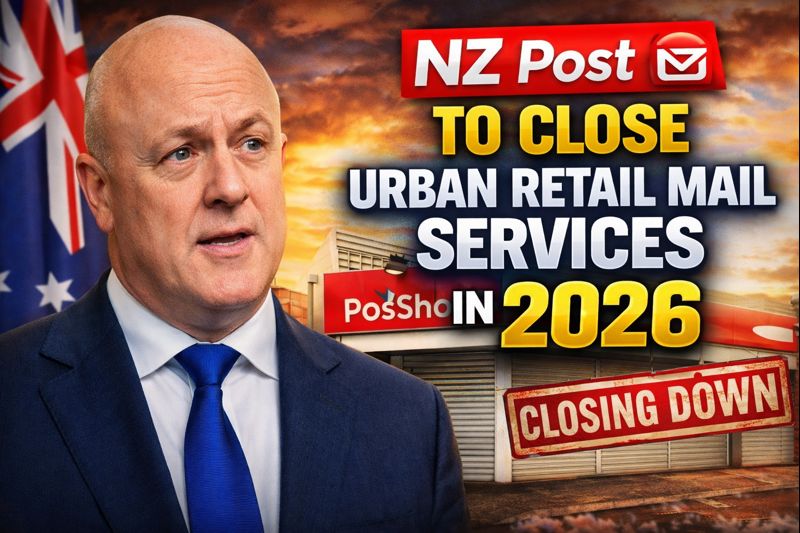
New Zealand Post has unveiled major changes to its urban retail network, announcing the closure of mail services at dozens of partner stores across cities this year. This shift responds to declining letter volumes and surging parcel demand, aiming for a leaner, more efficient setup. Customers face adjustments, but the company promises continued access through upgraded hubs and remaining outlets.
Background on the Announcement
NZ Post revealed the plan after a nationwide review of customer habits and store performance. Urban partner stores—think pharmacies, dairies, and supermarkets—currently host mail counters, but many see low foot traffic for traditional services. The decision aligns with updated government agreements that lower minimum store requirements for the first time in decades.
Letter mail has plummeted as digital communication dominates, with average households receiving far fewer envelopes weekly. Parcels, fueled by online shopping, now drive most interactions. Rural locations stay untouched for now, preserving access in remote areas. The overhaul prioritizes sustainability, freeing resources for modern needs like e-commerce logistics.
This move echoes global postal trends, where operators like Australia Post and the UK’s Royal Mail have consolidated networks amid similar shifts. NZ Post stresses no job losses at corporate post shops, focusing cuts on underused partner sites.
Scope of the Closures
Services will end at over 140 urban retail partner stores nationwide throughout the year. Major cities bear the brunt: Auckland loses nearly three dozen, Christchurch around two dozen, with Wellington, Hamilton, and Tauranga also affected. Smaller urban spots like Whangaparāoa Peninsula sites, including Manly and Stanmore Bay, join the list.
The remaining network shrinks to about 570 outlets, still outnumbering bank branches or supermarket chains. Company leaders claim nine out of ten urban Kiwis will live within a short drive of a service point. Timelines vary by location, with in-store notices and a dedicated website mapping changes and alternatives.
No rural closures appear on the horizon, safeguarding farmers, small towns, and isolated whānau. Partner stores can opt out voluntarily or face phase-out based on data like transaction volumes and proximity to alternatives.
Reasons Driving the Changes
Postal volumes tell the story: letters per delivery point have halved in recent years, overburdening a network built for busier eras. Meanwhile, parcels tripled, overwhelming small counters designed for stamps and forms. NZ Post analyzed usage data, revealing many urban sites handle minimal mail but strain under box collections.
Government revisions to the Deed of Understanding relaxed mandates, dropping required service points from nearly 900 to around 500 initially, then further. Urban personal-service counters halve over time, reflecting self-service kiosks and apps handling routine tasks. Economic pressures, including rising rents and wages, make low-volume sites unviable.
Customer behavior evolved too—fewer walk-ins for letters, more click-and-collect orders. The changes rebalance toward high-capacity stores equipped for lockers, returns, and tracking tech.
What Services Are Affected
Core mail functions cease at targeted stores: posting letters, buying stamps, and parcel drop-offs. PO Box rentals and collections end, along with payment services like bills or licenses. Some sites offered extras like photocopying or bus passes; those vanish too.
Parcels shift to priority hubs with expanded hours and capacity. Tracking remains app-based nationwide. Rural and corporate post shops maintain full offerings unchanged.
| Service Type | Status at Closing Stores | Alternatives Available |
|---|---|---|
| Letter Posting | Discontinued | Nearby post shops, kiosks |
| Parcel Send/Collect | Phased out | Hubs, lockers, apps |
| PO Boxes | Terminated | Relocate to open sites |
| Stamps/Packaging | No longer sold | Online orders, majors |
| Bill Payments | Ended | Bank apps, direct debit |
| Tracking Updates | Unaffected | NZ Post app, website |
New Retail Hubs and Upgrades
To offset losses, NZ Post rolls out modern retail hubs—centralized spots blending post services with parcel focus. Early openings in Auckland’s Newmarket and Hardinge Street feature spacious layouts, self-service lockers, and staff for complex needs. Christchurch and Palmerston North sites launch soon, with more nationwide.
These hubs boast better parking, longer hours, and tech like automated scales. Some corporate stores get facelifts for higher throughput. Lockers expand at supermarkets and malls, allowing 24/7 access via QR codes. Online tools simplify everything from label printing to redirections.
The goal: fewer but superior locations handling peak demands without queues.
Impact on Urban Customers
City dwellers might travel farther—up to 13km in sparse spots—for full services. Elderly residents without cars or digital savvy face hurdles, relying on family or community help. Businesses in closure zones lose convenient drop-offs, potentially hiking delivery costs.
Convenience stores hosting counters see minor revenue dips but gain freed-up space. Low-income areas worry about equity, though NZ Post pledges no “deserts” beyond 4km averages. Peak seasons like Christmas test the slimmed network, but upgrades aim to cope.
Youth and tech users adapt easily via apps; others need education on alternatives.
Rural Customers Stay Secure
No changes hit rural networks yet, where mail remains vital for bills, prescriptions, and small parcels. Three-day minimum deliveries persist, versus urban twice-weekly. Posties keep routes, avoiding recent contractor shifts seen elsewhere.
This divide acknowledges urban density versus countryside needs, buying time for rural reviews.
Job and Partner Store Implications
NZ Post avoids layoffs, reassigning staff where possible. Partner store owners, often small operators, lose commission income but shed maintenance burdens. Contracts end amicably, with notice periods easing transitions.
Courier expansions continue separately, outsourcing some deliveries to specialists amid postie redundancies announced prior.
How to Check Your Local Impact
Visit the NZ Post site for an interactive map listing affected stores, timelines, and redirects. In-store posters detail swaps weeks ahead. Call centers offer personalized guidance. Update apps for locker locations and virtual queues.
Communities can petition via local councils if gaps emerge, though data drives decisions.
Alternatives for Everyday Needs
Digital first: the app handles sending, tracking, and redirections. Click-and-collect at non-post retailers grows via partnerships. Street lockers proliferate in apartments and offices.
For non-digital users, libraries and councils might host pop-ups. Banks and supermarkets absorb bill pays. Community trusts explore volunteer mail runs in vulnerable spots.
| Customer Group | Best Options | Tips |
|---|---|---|
| Busy Families | App, lockers | Pre-label parcels |
| Seniors | Hubs, taxis | Ask for assisted service |
| Businesses | Bulk hubs | Negotiate accounts |
| Online Shoppers | Click-collect | Opt for tracking |
| Rural Users | Status quo | Monitor updates |
Broader Economic Context
Postal reforms mirror e-commerce booms, with NZ Post investing in sorting tech and vans. Revenue tilts to parcels, sustaining universal service obligations. Critics flag privatization risks, but state ownership buffers communities.
Government ties ensure minimums evolve with society, balancing costs and access.
Customer Reactions and Concerns
Social media buzzes with frustration over convenience losses, especially in suburbs. Accessibility advocates push for protections, citing disabled access. Retail groups mixed—some relieved, others lament steady foot traffic.
NZ Post hosts forums, promising tweaks based on feedback. Early adopters praise hub efficiency.
Steps Customers Should Take Now
Audit your routine: list nearest stores and plot backups. Download the app, set alerts. Stock stamps if hoarding helps. Businesses: review contracts for bulk rates.
Engage locally—councils lobby for pop-ups. Watch emails for personalized notices.
Future of NZ Post Services
Long-term, expect more automation, drone trials, and green fleets. Minimums drop further, but tech fills gaps. Hubs evolve into one-stop logistics centers.
NZ Post eyes international partnerships for cross-border ease. Sustainability drives electric vehicles and recycled packaging.
Community and Government Response
Iwi groups eye rural safeguards, urban Māori access. Opposition MPs decry urban neglect, urging pauses. MBIE defends reforms as overdue.
Local initiatives bloom: foodbanks pair with hubs, marae offer mail help.
What Lies Ahead in 2026
Rollouts phase monthly, minimizing disruption. Metrics track satisfaction, adjusting as needed. By year-end, the network stabilizes, poised for holiday rushes.
This pivot tests resilience but promises a post office fit for digital Kiwis—accessible, efficient, future-proof.

Vineeth T.C. is a news writer and digital content contributor at PageEuropean, covering key developments across New Zealand and Australia. His work focuses on delivering clear, fact-based reporting on current affairs, public policy, business updates, and regional news that matter to readers.