
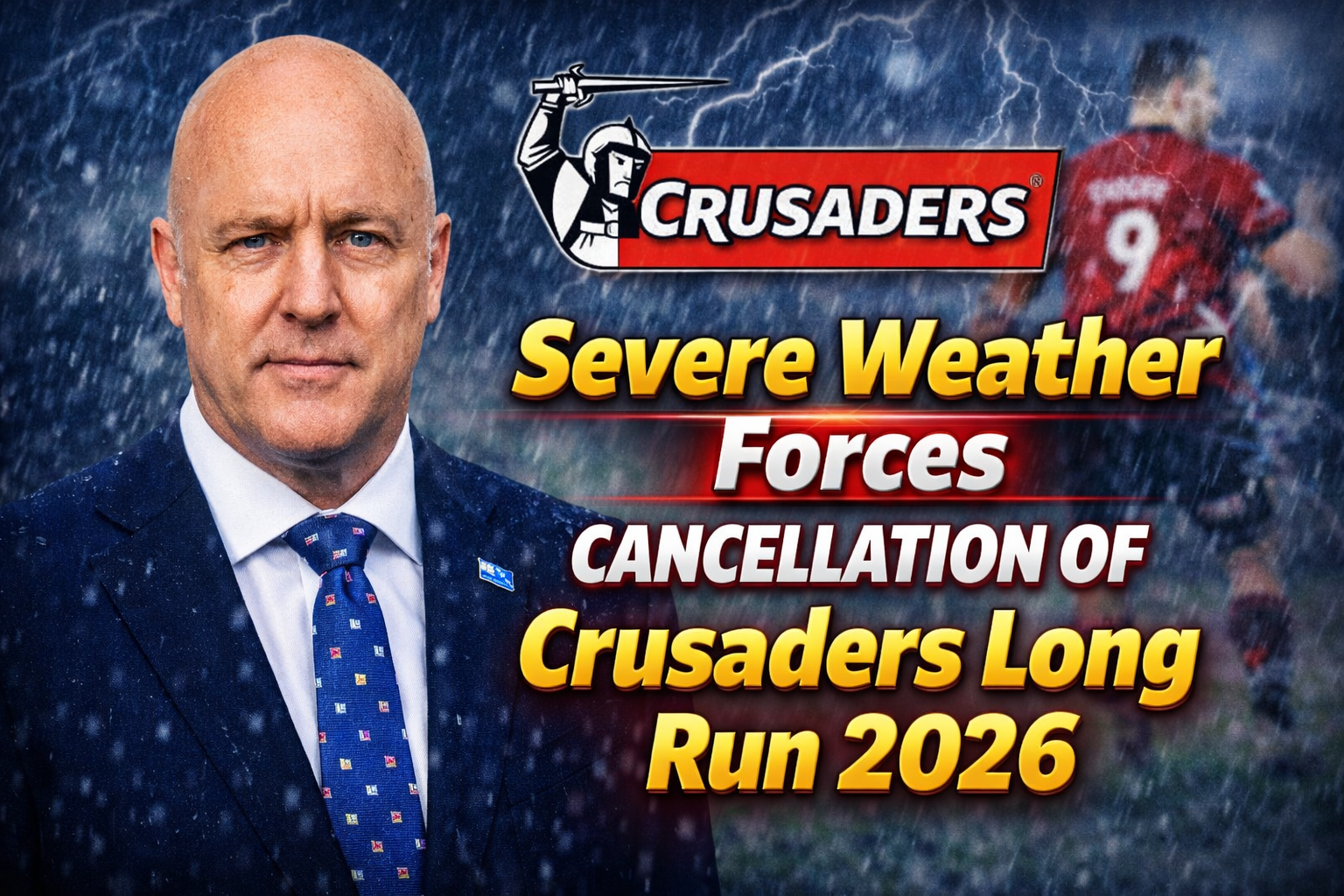
Relentless storms and gale-force winds sweeping across Canterbury have forced the cancellation of the highly anticipated Crusaders Long Run 2026, a flagship fundraising event for the Child Cancer Foundation. Scheduled for a vibrant morning in late January, the annual run draws thousands of participants in support of young cancer patients and their families, but safety concerns amid unprecedented weather patterns proved insurmountable. Organizers, heartbroken yet resolute, prioritized participant well-being, marking a somber moment for a community event that embodies resilience and hope.
Event Background
The Crusaders Long Run stands as a cornerstone of Christchurch’s sporting calendar, blending the region’s rugby passion with philanthropy. Partnering with the Child Cancer Foundation since its inception over two decades ago, the event features distances from a fun 5km stroll to a challenging half-marathon, winding through iconic Hagley Park and the Avon River paths. Past editions have raised millions, funding critical support like family accommodation grants, therapy programs, and research into childhood cancers.
This year’s edition promised record participation, with early registrations surging past five thousand amid summer optimism. Crusaders players, including star All Blacks, traditionally join as pacers and motivators, turning the run into a festival of team spirit. The Child Cancer Foundation, New Zealand’s leading charity for pediatric oncology, relies heavily on such events; their annual reports highlight how donor dollars translate to tangible aid, such as play therapy kits for hospital-bound kids.
The event’s ethos—running long for those who can’t—resonates deeply in Canterbury, a province scarred by earthquakes yet defined by comeback stories. Corporate teams, school groups, and whānau fill the start line, draped in yellow jerseys symbolizing solidarity.
Weather Conditions Leading to Cancellation
A brutal weather bomb battered the South Island starting mid-week, dumping over 150mm of rain in 48 hours and whipping winds to 120km/h gusts. MetService issued severe warnings, citing an ex-tropical low merging with a polar front, conditions reminiscent of the 2023 floods but intensified by warmer ocean temperatures. Hagley Park, the event’s heart, became a quagmire: paths submerged, trees toppled, and bridges at risk of overflow.
Forecasts predicted ongoing chaos through the weekend, with southerlies channeling moisture from the Tasman Sea. Regional records tumbled—Christchurch Airport clocked its wettest January day since 1967—stranding flights and closing highways. Power outages affected 20,000 homes, complicating logistics for an event requiring precise timing and emergency access.
Organizers monitored obsessively, consulting experts from the Canterbury Regional Council and Civil Defence. A final call came hours before dawn, as radar showed no respite. “Mother Nature dictated terms we couldn’t negotiate,” stated event director Sarah Thompson, echoing the pragmatic tone of Kiwi event planners.
Decision-Making Process
Cancellation unfolded methodically, balancing duty of care with donor expectations. The core committee—Crusaders management, foundation executives, and safety officers—convened virtually at midnight, reviewing risk assessments. Key factors included slip hazards on trails, hypothermia risks for young runners, and ambulance access amid flooded zones.
Protocols drawn from Earthquake Commission guidelines emphasized zero-tolerance for weather threats. Insurance clauses covered full refunds, but emotional fallout loomed larger. Communications rolled out swiftly: emails to registrants by 4am, social media blasts, and radio alerts. Refunds processed automatically within 48 hours, with options to roll over entries to 2027.
Thompson addressed a press conference amid drizzling skies: “We’ve run in rain before, but this was biblical. Protecting our tamariki supporters came first.” The decision rippled to vendors, volunteers, and sponsors like local banks, who pivoted to virtual pledges.
| Factor | Assessment Level | Rationale |
|---|---|---|
| Wind Speeds | Extreme | 100+ km/h gusts pose fall risks |
| Rainfall Accumulation | Critical | Paths unnavigable, flash flood threat |
| Visibility | Poor | Dawn start amid squalls unsafe |
| Emergency Response | Compromised | Roads closed, services stretched |
| Participant Vulnerability | High | Families with children, elderly groups |
This table summarizes the risk matrix that tipped the scales.
Impact on Child Cancer Foundation
The foundation absorbs the hardest hit, with the Long Run typically contributing a quarter of its annual fundraising goal. Last year, it netted over $800,000, supporting 450 families nationwide. Immediate budget shortfalls threaten programs like Ronald McDonald House stays and specialist nursing.
Executive director Mike McMichael expressed devastation but resolve: “Every dollar counts for kids fighting leukemia or brain tumors. We’re exploring alternatives immediately.” Virtual challenges launched within hours—a “Run from Home” app tracking indoor miles—aim to salvage momentum. Corporate partners pledged matching funds, softening the blow.
Stats paint the stakes: New Zealand sees 170 new childhood cancer diagnoses yearly, with survival rates at 85% but lifelong scars common. The foundation’s role—counseling, financial aid, bereavement support—fills gaps in public health. This cancellation underscores charity sector vulnerabilities to climate volatility.
Crusaders’ Response and Rugby Community
The Crusaders, Super Rugby heavyweights, embody Canterbury’s grit, and their response amplified the event’s legacy. Chief executive Colin Mansbridge committed $100,000 from club coffers, urging fans to donate via text. Players filmed bedside messages for affected families, shared across platforms reaching millions.
Rugby NZ backed the pivot, promoting a national “Rugby for Recovery” weekend. Rival teams like the Hurricanes and Blues offered solidarity runs, decentralizing the effort. Whānau of Crusaders stars, many with personal cancer ties, hosted pop-up fundraisers at clubhouses.
The club’s social media exploded with #RunLonger, garnering 50,000 interactions overnight. This adaptability mirrors their on-field comebacks, turning setback into rallying cry.
Community Reactions
Christchurch’s response blended disappointment and defiance. Runners vented frustration online—”Training for months, gutted”—but pivoted to praise for organizers. Schools repurposed team entries into playground relays, keeping spirits high.
Local businesses suffered: marquee suppliers, food trucks, and physiotherapists faced losses, yet many donated stock to food banks strained by weather. Community boards coordinated clean-ups, merging recovery with reflection.
Māori wards highlighted cultural resilience, likening the storm to atua battles and framing support as whakawhanaungatanga. Polls showed 92% public approval for the cancellation, valuing safety over spectacle.
Broader Implications for Event Planning
This incident spotlights escalating weather risks in Aotearoa. Organizers nationwide now drill contingency plans, from drone monitoring to modular venues. Insurance premiums rise 20% yearly, squeezing margins for non-profits.
Lessons include diversified revenue—hybrid events blending physical and digital—and climate-resilient sites. Hagley Park’s masterplan, post-2011 quakes, faces scrutiny; elevated paths and wetland buffers proposed.
Government eyes subsidies for weather-proofing, akin to arts grants. Globally, events like the Boston Marathon adapt with similar rigor, but NZ’s isolation amplifies logistical pains.
Alternatives and Future Outlook
Virtual platforms shine: the foundation’s app logged 10,000km in the first day, rivaling physical turnout. Live-streamed Zumba sessions and celebrity challenges sustain buzz. A rescheduled “Long Run Legacy” mini-event eyes February, pending forecasts.
Crusaders plan a supersized 2027 edition, incorporating tech like AR trails. Foundation forecasts 80% fundraising recovery through ingenuity.
Long-term, climate adaptation defines survival. Warmer seas fuel fiercer lows; modellers predict 30% more extreme days by 2040. Events evolve: modular, multi-site formats hedge bets.
Support Pathways Forward
Donors can contribute via the foundation’s site, with every $50 funding a therapy session. Corporate matching doubles impact. Volunteers needed for virtual moderation and future prep.
The Crusaders invite jersey-clad home workouts, tagging #CrusadersLongRun. Schools access free resources for PE adaptations.
Communities rally: bake sales, quiz nights, car washes. Tamariki voices lead—art auctions by survivors—ensuring the run’s spirit endures.
Reflections on Resilience
Cancellation tests but reveals Kiwi strength. In storms literal and metaphorical, support networks activate. The Child Cancer Foundation’s whānau expands, undeterred.
This weather-forced pause reminds: true runs happen in hearts, not just on paths. As skies clear, anticipation builds for safer tomorrows, long runs resuming stronger.

Vineeth T.C. is a news writer and digital content contributor at PageEuropean, covering key developments across New Zealand and Australia. His work focuses on delivering clear, fact-based reporting on current affairs, public policy, business updates, and regional news that matter to readers.