
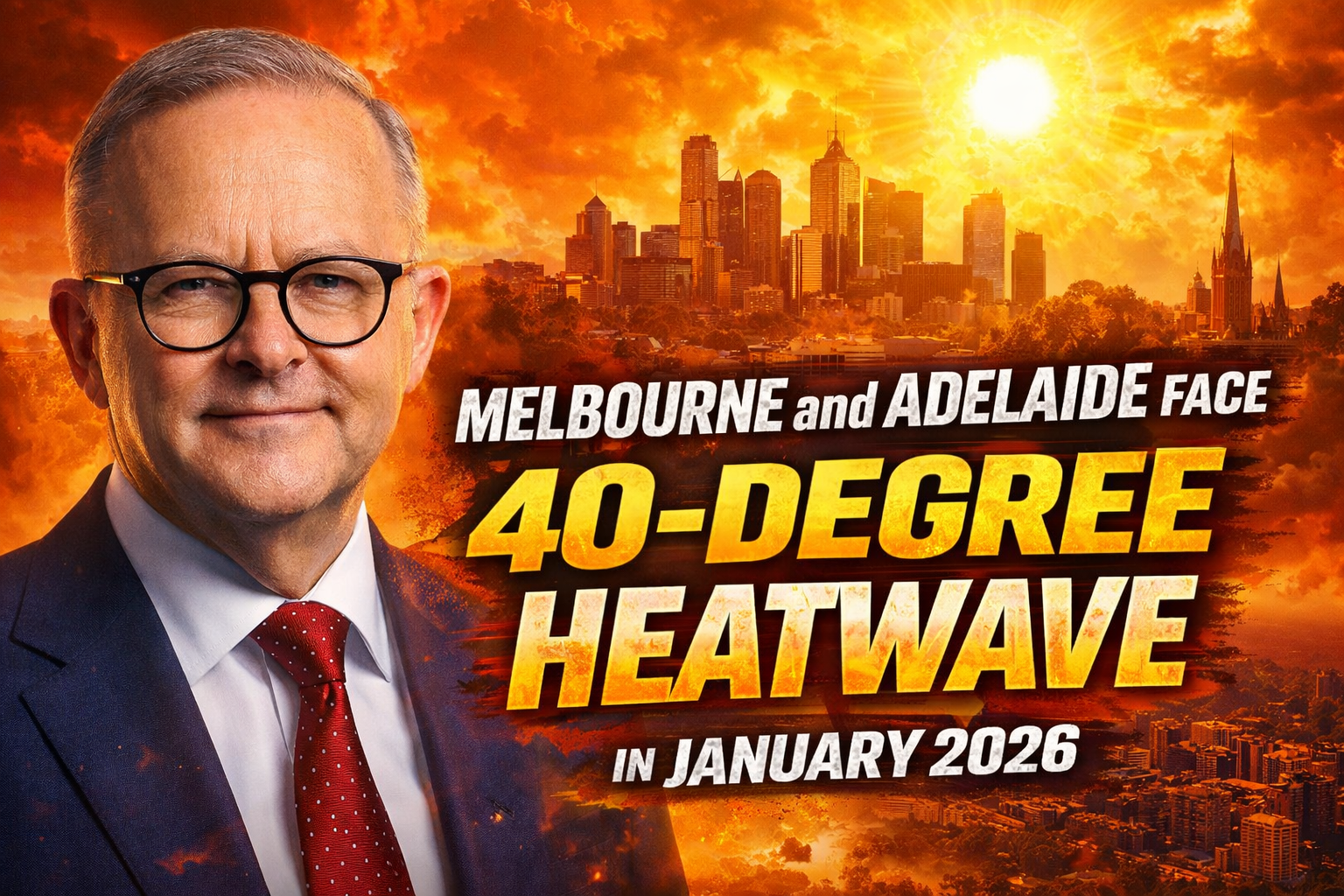
Searing temperatures are sweeping across southern Australia, turning urban centers into ovens and straining public health systems. The heat builds from a massive hot air mass originating in Western Australia, now pushing eastward to engulf Melbourne and Adelaide. Residents face multiple days of relentless scorching conditions, with peaks expected around the weekend and into early next week.

This event arrives amid a summer already marked by record-breaking warmth, echoing the infamous Black Summer fires of several years ago. Power grids groan under air conditioning demands, while outdoor workers and vulnerable populations bear the brunt. Authorities have issued urgent alerts, urging people to stay indoors during peak hours and hydrate relentlessly.
Weather Patterns Fueling the Surge
A slow-moving upper-level ridge dominates the atmosphere, trapping hot air and preventing cooling sea breezes from penetrating inland. This system first scorched Western Australia’s interior before advancing toward South Australia and Victoria. By midweek, the full force targets Adelaide first, with spillover effects hitting Melbourne hard.
Forecast models show the heat peaking on Saturday in Adelaide at around 41 degrees, followed by another 40-degree day on Monday—Australia Day no less. Melbourne anticipates highs near 38 to 40 degrees by Tuesday, potentially triggering extreme weather protocols at major events like the Australian Open. Coastal areas may see slight relief, but inland suburbs swelter without mercy.
Thunderstorm risks linger on the fringes, adding humidity that amplifies the perceived heat. Nighttime lows barely dip below 25 degrees, offering no respite and raising overnight heat stress.
Historical Context and Record Comparisons
January has long been Australia’s hottest month, but this heatwave stands out for its duration and intensity. Melbourne’s average January maximum hovers around 26 degrees, yet the city has endured multi-day streaks above 40 degrees in past extremes. Adelaide, slightly warmer on average at 29 degrees, routinely flirts with 40 but rarely sustains it over several days.
Past events provide stark reminders: in one notorious stretch, Adelaide logged five consecutive days above 42 degrees, while Melbourne set records with four days over 41. This current wave rivals those, with some stations poised to shatter six-year highs. Climate data reveals a troubling trend—days exceeding 35 degrees are becoming more frequent, jumping from historical norms to double in some projections for coming decades.
| City | Typical January Days Over 35°C | Recent Heatwave Peaks | Forecast Days Over 35°C This Event |
|---|---|---|---|
| Melbourne | Around 9 per year | 41°C (multiple days in past events) | At least 4-5 |
| Adelaide | Around 17 per year | 43-45°C (historical streaks) | 5-6 consecutive |
| Sydney (for context) | Around 3-4 per year | 42°C spikes | 2-3 |
Urban heat islands exacerbate the crisis, where concrete and asphalt trap heat, pushing city centers several degrees hotter than rural outskirts.
Health and Safety Risks Amplified
Extreme heat claims lives silently, overwhelming the elderly, children, and those with chronic conditions. Heat stroke symptoms—dizziness, rapid pulse, confusion—escalate quickly above 40 degrees, especially with humidity climbing. Hospitals report surges in admissions for dehydration and respiratory issues as poor air quality from stagnant conditions worsens.
Vulnerable groups include outdoor laborers, the homeless, and pets left in yards. Authorities recommend cool rooms in community centers, but demand outstrips supply in sprawling suburbs. Fire risks spike too, with dry fuels igniting easily under gale-force northerlies preceding the heat.
- Drink water hourly, even if not thirsty.
- Avoid midday sun; schedule activities for dawn or dusk.
- Check on neighbors, particularly seniors living alone.
- Never leave children or animals in vehicles.
- Use fans with damp sheets for evaporative cooling if air conditioning fails.
Impacts on Daily Life and Economy
Public transport falters as tracks warp and buses slow under heat protocols. Schools shift to remote learning where possible, while sports events like tennis tournaments activate heat stoppages—players retreating mid-match if wet-bulb temperatures soar. Beaches draw crowds seeking relief, but rip currents and sunburn add secondary dangers.
Economically, agriculture suffers first: livestock stress reduces milk yields, and fruit crops wither on vines. Retail sales dip as shoppers shun malls, though ice cream and fans fly off shelves. Power usage hits records, prompting rolling blackouts in fringe areas and multimillion-dollar strain on utilities.
Tourism takes a hit too—Aussie summer draws international visitors expecting beaches, not infernos. Airports delay flights amid tarmac overheating, stranding travelers in terminal saunas.
Environmental Toll and Wildfire Threats
Bushlands flanking Melbourne and Adelaide dry out rapidly, priming for spot fires. The heatwave coincides with low soil moisture from a parched wet season, fueling a tinderbox landscape. Fire services declare elevated ratings across Victoria and South Australia, with aerial tankers on standby.
Wildlife fares worse: koalas pant in treetops, birds collapse mid-flight, and marine life in shallow bays suffocates from warm runoff. Coral reefs offshore, already battered, face bleaching as sea surfaces mimic air temperatures.
Longer-term, these events signal shifting baselines—wetter winters give way to fiercer summers, challenging water reserves in reservoirs strained by evaporation.
| Impact Area | Short-Term Effects | Long-Term Concerns |
|---|---|---|
| Agriculture | Crop wilting, animal heat stress | Reduced yields, irrigation shortages |
| Energy | Peak demand overload | Infrastructure upgrades needed |
| Biodiversity | Mass die-offs | Habitat loss, species migration |
| Water Supply | Rapid reservoir depletion | Chronic shortages by decade’s end |
Government Response and Preparedness Measures
State emergency services roll out cooling hubs stocked with water and medical kits. Victoria and South Australia activate heat health plans, broadcasting warnings via apps and billboards. Utilities plead for conservation—turning off appliances—to avert statewide outages.
Federal climate agencies monitor the ridge’s path, coordinating with neighbors as heat spills into New South Wales. Community groups distribute fans to low-income households, while apps track real-time temperatures and fire fronts.
Australia Day barbecues face rethink, with public gatherings capped and fireworks potentially grounded if winds whip up.
Adaptation Strategies for Residents
Beat the heat with smart habits: seal homes against hot air, draw curtains by day, and cross-ventilate at night. Portable evaporative coolers outperform fans in dry heat, while ice vests aid outdoor workers. Grow shade trees in yards to combat urban heat islands over time.
Diet shifts help—light, hydrating foods like watermelon and cucumber over heavy meats. Sleep hygiene matters too: chill pillows and use breathable linens to combat warm nights robbing rest.
Looking Ahead: When Does Relief Arrive?
A weakening subtropical high promises cooler southerlies by mid-next week, dropping temperatures to seasonal norms. Scattered showers may follow, greening parched lands temporarily. Yet forecasters warn of another pulse later in summer, as ocean patterns like La Niña fade.
This heatwave serves as a wake-up call—resilience demands investment in green infrastructure, renewable grids, and policy shifts toward emission cuts. Melbourne and Adelaide emerge tested but unbroken, their spirit as enduring as the outback sun.

Vineeth T.C. is a news writer and digital content contributor at PageEuropean, covering key developments across New Zealand and Australia. His work focuses on delivering clear, fact-based reporting on current affairs, public policy, business updates, and regional news that matter to readers.