
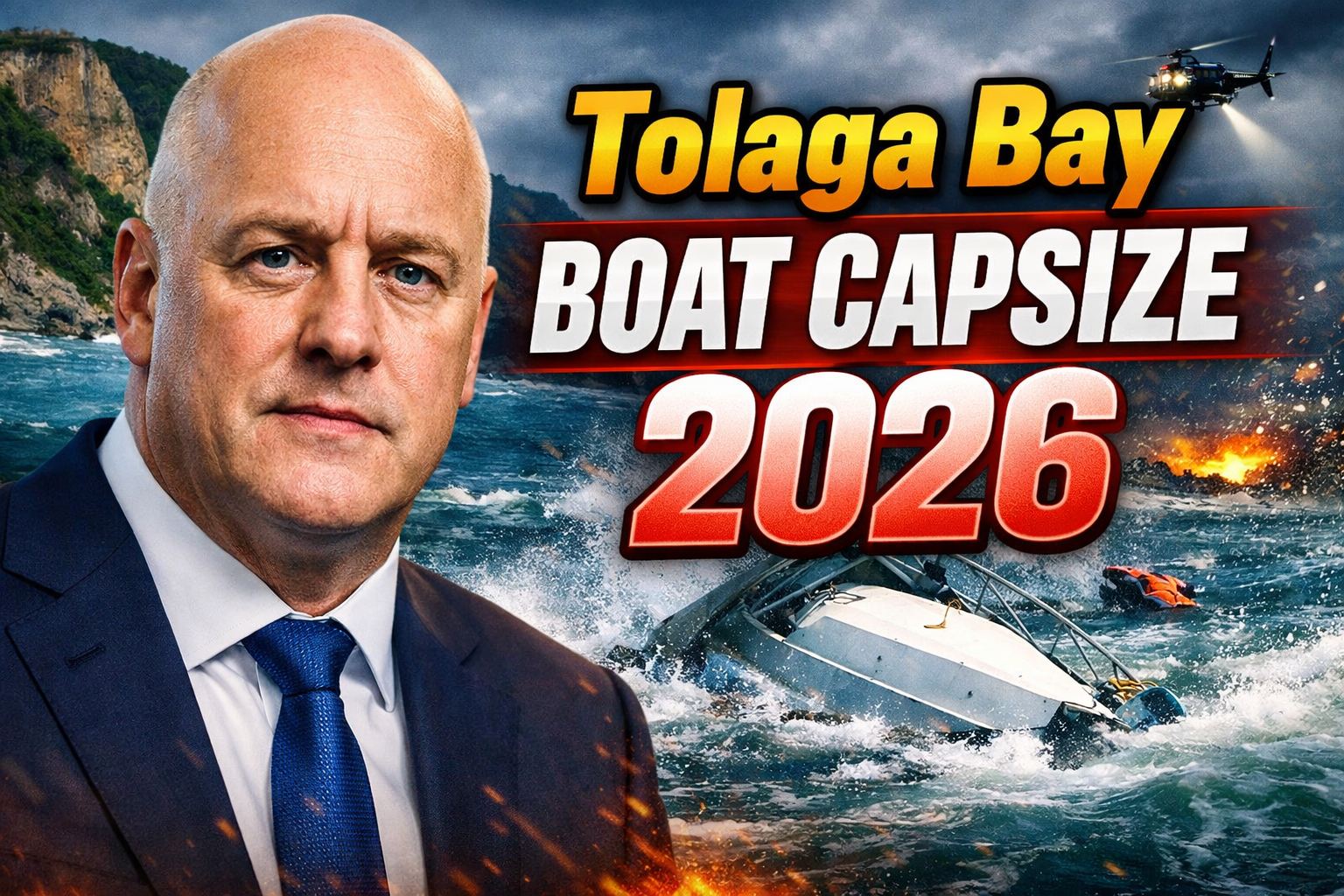
Three fishermen survived a harrowing six-hour ordeal in frigid East Coast waters after their boat capsized without warning off Tolaga Bay, clinging desperately to a single lifejacket, a bucket, and a petrol can. The dramatic rescue unfolded through extraordinary coordination among Coastguard volunteers, military aircraft, helicopters, and local lifesaving teams, highlighting the razor-thin margin between tragedy and triumph at sea. Their story of endurance and rapid response offers powerful lessons in maritime safety for New Zealand’s coastal communities.
Incident background
Routine crayfishing trip turns deadly
The three men launched their 24-foot aluminium boat from Tolaga Bay around eight in the morning under deceptively calm conditions, heading out for a routine crayfishing run. Experienced local fishermen, they carried standard gear including pots, lines, and catch bags, anticipating a productive day on familiar grounds. Approximately three hours into the trip, disaster struck when the vessel snagged a submerged craypot line, causing it to overturn almost instantaneously. The sudden capsize left no time to activate EPIRBs, radios, or retrieve additional flotation devices, plunging all three into waters around fifteen degrees Celsius.
Initial survival challenges
Tossed into choppy seas, the men faced immediate hypothermia risks, strong currents pushing them offshore, and exhaustion from treading water. With only one lifejacket among them, they improvised a flotation raft using the jacket as a central anchor, the bucket for buoyancy, and the petrol can gripped tightly. Huddled together for body warmth, they took turns resting while maintaining visual contact with the upturned hull, their sole reference point in expanding swells.
Rescue operation launch
Alert and multi-agency mobilization
A commercial fishing vessel spotted the capsized hull around eleven in the morning and radioed police, triggering a cascading response. Police immediately notified Coastguard’s National Operations Centre, which activated protocols for missing vessel emergencies. Coastguard Gisborne launched their rescue boat, Gisborne Lion Foundation, crewed by three volunteers within minutes. Simultaneously, the Rescue Coordination Centre orchestrated a massive aerial and surface search covering dozens of square kilometers.
Assets deployed in coordinated search
The operation showcased seamless inter-agency teamwork. RNZAF’s P-8A Poseidon maritime patrol aircraft provided overhead surveillance with advanced radar and infrared sensors, scanning vast ocean expanses. Eastland Rescue Helicopter conducted low-level pattern searches, while Surf Life Saving Gisborne deployed their search and rescue squad with inflatable craft. Police vessels patrolled coastal boundaries, ensuring comprehensive coverage from shore to ten nautical miles offshore.
The table details key response assets:
| Agency | Asset Deployed | Role Performed |
|---|---|---|
| Coastguard Gisborne | Gisborne Lion Foundation | Primary recovery vessel |
| RNZAF | P-8A Poseidon | Aerial detection and coordination |
| Eastland Rescue | Rescue helicopter | Low-level pattern search |
| Surf Life Saving | SAR inflatable | Near-shore surface search |
| Police | Patrol vessels | Perimeter containment |
Critical sighting and recovery
Poseidon aircraft breakthrough
At two forty in the afternoon, after nearly four hours of searching, the P-8A Poseidon crew spotted three heads bobbing in the water approximately five nautical miles offshore. Infrared imaging confirmed human heat signatures against cold ocean background, immediately relaying precise GPS coordinates to surface units. This pivotal detection, credited to the aircraft’s sophisticated sensors, narrowed the search radius dramatically in vast open water.
Coastguard recovery drama
Coastguard Gisborne volunteers, directed by Rescue Coordination Centre, powered toward the position at full speed, battling building seas. Approaching the survivors, skipper Aaron Boyle described a heart-stopping moment: the men appeared barely conscious, blue-lipped and trembling violently from advanced hypothermia. Crew members deployed a scramble net, carefully hauling each man aboard one by one, wrapping them in thermal blankets and administering warm fluids. The single lifejacket, still clutched desperately, symbolized their collective will to survive.
Medical handoff at Tolaga Bay
The rescue vessel reached Tolaga Bay wharf at three thirty, where waiting ambulances rushed all three to Gisborne Hospital’s emergency department. Paramedics noted severe hypothermia with core temperatures around thirty-two degrees Celsius, profound fatigue, and early dehydration. Remarkably, no saltwater ingestion or injuries occurred, with all men stabilized overnight before discharge. Hospital staff praised their mental fortitude, noting mutual encouragement sustained them through desperate hours.
Survival factors analyzed
Improvised flotation ingenuity
Lacking multiple lifejackets, the fishermen’s quick thinking transformed everyday items into lifesaving devices. The bucket trapped air effectively, while the sealed petrol can provided stable platform. Positioning the lifejacket centrally distributed weight, preventing submersion of any single person. This MacGyver-style adaptation echoes countless survival tales where resourcefulness trumps equipment failure.
Hypothermia combat strategies
Huddled formation conserved core heat through conduction, while minimal movement preserved energy. Taking rotation rests prevented total exhaustion, maintaining circulation. Psychological factors proved crucial: maintaining visual contact with each other and the hull provided purpose, combating hopelessness that claims many sea survivors.
Weather window timing
Calm morning conditions delayed rapid drift, keeping survivors within search radius. Afternoon sea breeze remained moderate, avoiding whitecap chaos that would obscure aerial detection. Precision timing of Poseidon’s patrol pattern aligned perfectly with their drift trajectory.
Community and official reactions
Local relief and hero welcomes
Tolaga Bay community gathered at the wharf, erupting in cheers as ambulances passed with lights flashing triumph, not tragedy. Whānau embraced hospital arrivals, sharing emotional reunions captured in viral social media footage. Local iwi leaders performed karakia blessings, thanking ancestral moana for protection and rescuers for swift action.
Maritime safety authority praise
Rescue Coordination Centre watch leader Alex Taylor hailed the operation as textbook inter-agency excellence, crediting real-time information sharing. Coastguard national spokesperson emphasized volunteer dedication, noting Gisborne crew trained rigorously for such scenarios. Maritime New Zealand announced immediate safety campaign focusing on lifejacket discipline.
Lessons for recreational fishers
Lifejacket compliance gaps exposed
Maritime NZ data reveals only forty percent of small boat operators wear lifejackets routinely, despite legal carriage requirements. This incident underscores wearable versus stowed distinction—had all three donned jackets immediately, survival odds skyrocketed. Campaign slogans now emphasize “clip on before stepping aboard.”
EPIRB activation failures
Post-incident reviews confirmed no EPIRB activation due to capsize speed. Authorities recommend hydrostatic release mounts ensuring automatic transmission even if vessel sinks rapidly. Personal locator beacons worn on lifejackets emerge as gold standard for solo or small crew operations.
Craypot line hazards
Submerged commercial lines pose invisible threats to recreational vessels, particularly in multi-user fishing grounds. Best practices include slow speeds near pot marker concentrations, VHF radio checks for active commercial sets, and fitted line cutters on bow rails.
The table compares survival equipment:
| Item | Present | Impact |
|---|---|---|
| Lifejackets (3) | 1 only | Critical – central flotation |
| EPIRB | Unknown | None – no activation |
| PLB | No | Would have alerted immediately |
| VHF Radio | Submerged | None – vessel sank |
| Bucket/Petrol Can | Yes | Improvised – extended survival |
Maritime safety evolution
Technological response upgrades
Post-rescue, Coastguard accelerates drone deployment trials for coastal searches, complementing manned aircraft. Satellite AIS transponders gain traction for real-time vessel tracking, auto-alerting if stationary patterns indicate distress.
Training emphasis renewal
Gisborne volunteers receive commendations and advanced hypothermia first aid certification. National simulator sessions recreate the scenario, training pattern recognition in aerial searches and small craft recovery techniques.
Broader regional implications
East Coast fishing community reflection
Tolaga Bay’s commercial crayfishing fleet reviews operational protocols, mandating buddy systems and daily float plans filed with wharf operators. Iwi-led safety hui incorporate traditional knowledge of currents and seasonal hazards alongside modern meteorology.
National maritime policy review
Transport Minister announces immediate audit of small vessel safety compliance, targeting trailer boats under ten meters. Budget allocations increase for regional rescue helicopters, addressing coverage gaps identified during extended searches.
Survivors’ perspective and recovery
Medical and psychological aftercare
Hospital discharge revealed no lasting physical damage, though counseling addresses acute stress responses common in near-drowning survivors. Return to fishing planned gradually, starting with crewed daylight trips incorporating new safety gear.
Lessons shared publicly
In media interviews, survivors credit mutual support and positive mindset for endurance. They advocate lifejacket culture change, donating personal gear to community programs and speaking at local schools about ocean respect.
Legacy of the Tolaga Bay miracle
This rescue transcends individual survival, embodying New Zealand’s maritime spirit where volunteers, military, and locals unite seamlessly. The overturned hull, now salvaged, serves as training prop for Coastguard recruits, its story etched into Gisborne folklore. As fishermen heal and boats relaunch, Tolaga Bay waters whisper reminder: preparation transforms potential tragedy into testament of human resilience against nature’s fiercest moods.
The incident reinforces eternal maritime truth—luck favors the prepared. Three men’s survival against staggering odds inspires nationwide recommitment to safety, ensuring future voyages honor both tradition and technology guarding lives upon the moana.

Vineeth T.C. is a news writer and digital content contributor at PageEuropean, covering key developments across New Zealand and Australia. His work focuses on delivering clear, fact-based reporting on current affairs, public policy, business updates, and regional news that matter to readers.